

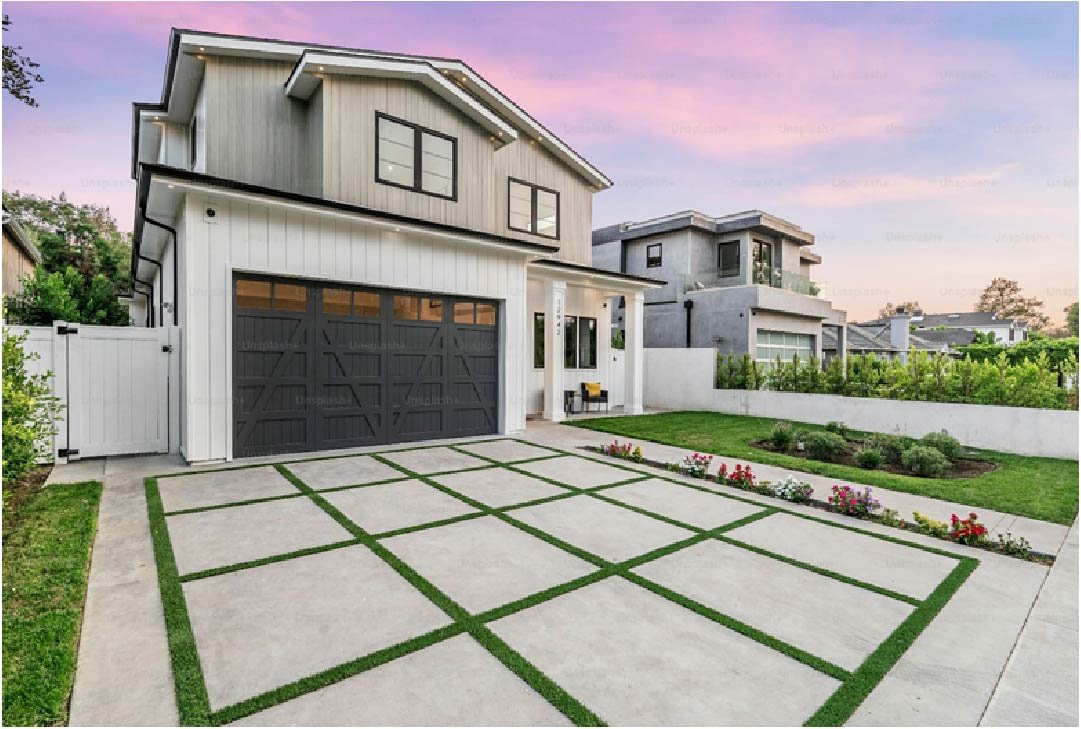
Your garage door does more than open and close on command. It protects one of the largest entry points to your home, shields your belongings from harsh weather, and plays a major role in curb appeal. In places where winters bring snow, ice, and freezing temperatures, a dependable garage door is not a luxury. It is a practical necessity that affects daily comfort and safety.
Most homeowners expect the door to work without giving it a thought. When it starts sticking, shaking, or refusing to close, that convenience disappears quickly. While many problems can be handled with routine maintenance, there comes a point when repeated fixes stop making sense. Knowing when to move from small repairs to a full garage door replacement is part of smart homeownership. The key is recognizing the warning signs early, before a minor issue turns into a safety concern or a major expense.
Persistent Structural or Mechanical Issues That Keep Coming Back
Occasional repairs are normal. Springs wear out, rollers need lubrication, and cables sometimes require adjustment. However, if you find yourself calling for service every few months, it is time to look at the bigger picture. When multiple parts begin failing within a short period, the system is likely wearing down as a whole. In these situations, homeowners often start weighing whether continued repairs make sense or if a full garage door replacement would provide a more dependable long-term solution.
You might replace a spring only to notice the door still struggles to open. Then the opener starts straining, and the tracks need realignment. You are managing a chain reaction. Recurring breakdowns often signal that the door has reached the end of its functional life, even if individual components are technically repairable.
Visible Structural Damage and Panel Deterioration
Physical damage tells a clear story. Wooden doors may sag or warp over time due to moisture and temperature fluctuations. Steel doors can develop rust that spreads beneath the surface. Small cracks or dents might seem cosmetic at first, but they can weaken the door’s structure and affect balance.
When panels begin separating or the door no longer sits evenly within the frame, the problem goes beyond appearance. Structural shifts place extra stress on hinges, rollers, and the opener itself.
The Safety Factor: Outdated or Failing Safety Features
Modern garage doors include built-in safety features designed to prevent injuries and property damage. Auto-reverse sensors stop the door if something crosses its path. Secure mounting hardware keeps the system stable during operation. When these components malfunction, the risks increase quickly.
If your sensors fail intermittently or the door does not reverse consistently, do not ignore it. Loose brackets or aging tracks can also create dangerous conditions. Older systems may not meet current safety standards, especially if they were installed decades ago. Upgrading to a newer system improves reliability and gives you greater peace of mind every time the door opens or closes.
Excessive Noise and Vibration: Signs of Internal Fatigue
Garage doors are not silent, but they should not sound like they are struggling. Grinding, scraping, or banging noises usually point to worn rollers, loose hardware, or tired bearings. If lubrication and minor adjustments do not reduce the noise, the issue may be deeper within the system. Persistent sound changes often signal internal wear that routine maintenance cannot fully resolve.
Pay attention to vibration as well. If the door shakes noticeably while opening or closing, it may be off balance or structurally weakened. That movement puts added pressure on the opener and tracks.
Rising Energy Bills and Poor Insulation Performance
An aging garage door can quietly affect your home’s energy efficiency. If you notice drafts or temperature swings in the garage, especially during winter or summer, poor insulation may be to blame. Older doors often lack the insulated cores and tight seals found in modern models. As a result, outside air seeps in and conditioned air escapes.
Check the weather stripping along the bottom and sides. Cracked or brittle seals reduce protection against moisture and pests. If your garage connects to living spaces, energy loss becomes even more noticeable. Upgrading to a well-insulated door can stabilize indoor temperatures and help control monthly utility costs, making it a practical improvement rather than just a cosmetic one.
The Rule of Thumb: Repair Costs vs. Long-Term Value
Every repair decision should include a simple cost comparison. If a single fix is minor and inexpensive, it makes sense to move forward. However, when cumulative repair bills approach a significant percentage of the cost of a new door, continuing to patch problems may not be wise. Frequent service calls add up quickly.
Think about long-term value, not just immediate expense. A new door offers updated safety features, better insulation, and smoother operation. It can also improve curb appeal and potentially increase resale value. When you weigh the ongoing inconvenience of breakdowns against the reliability of a new system, replacement often becomes the smarter financial choice.