

Key Takeaways
- Proving fault is necessary for securing compensation after a car accident in Casselberry.
- Collecting clear evidence immediately after the crash can make or break your case.
- The police report, eyewitness statements, and photos are critical to establishing fault.
- Florida’s comparative negligence law may reduce compensation based on your share of fault.
- Seeking advice from an experienced legal professional can help maximize your outcome.
Table of Contents
- Gathering Immediate Evidence
- The Importance of the Police Report
- The Role of Eyewitnesses
- Photographic and Physical Evidence
- Understanding Florida Modified Comparative Negligence
- Insurance Companies and Accident Reconstruction
- How an Attorney Can Help Prove Fault
- Conclusion
After a car accident in Casselberry, determining who is at fault can be a complex process involving evidence, insurance adjusters, and, in some cases, the courts. Taking the right steps and understanding the legal standards can significantly affect the outcome of your claim. If you have been in an accident and need guidance, consult with local attorneys such as Quattrochi & Torres P.A. for personalized advice and representation.
Whether you are an injured driver, a passenger, or a concerned family member, knowing how to establish fault is essential for getting compensated for medical bills, lost income, property damage, and pain and suffering. The process usually starts at the scene but continues through paperwork, insurance negotiations, and possibly litigation. In Florida, which operates under a modified comparative negligence standard, how fault is determined will directly influence your financial recovery. The burden of proof lies on the person making the claim, usually the victim. While proving fault might sound intimidating, there are clear steps and guidelines you should follow to strengthen your case. Fact-finding, documentation, and legal support are vital aspects of proving liability in Casselberry car accidents. Understanding what insurers and courts look for can help you protect your rights and build a persuasive claim.
Gathering Immediate Evidence
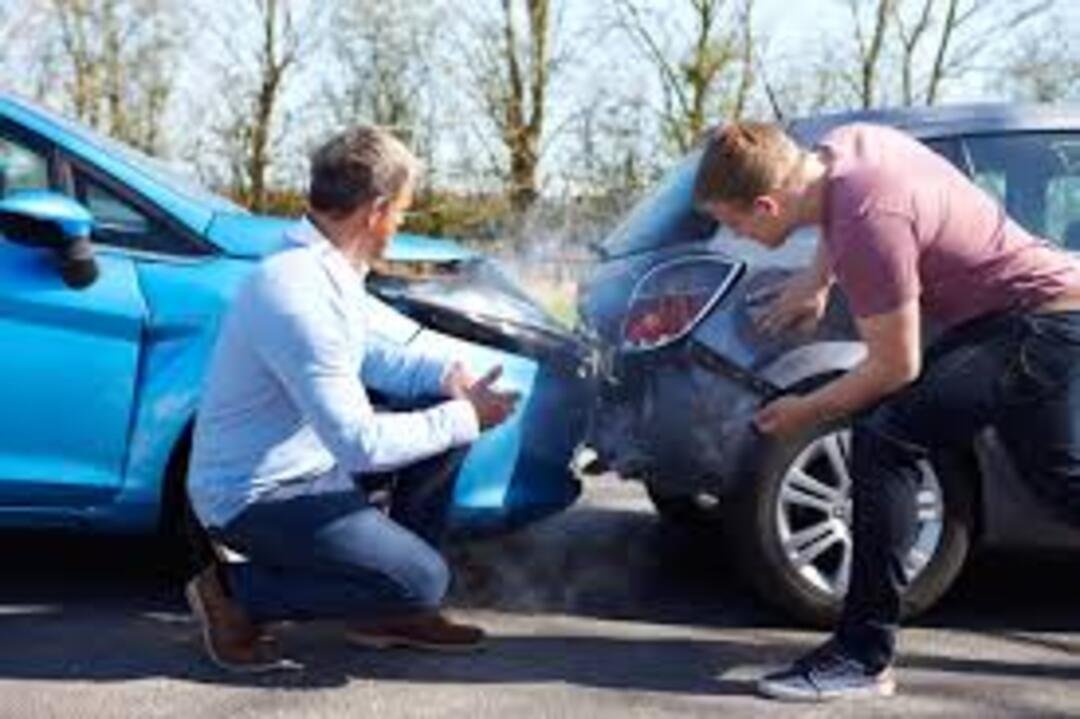
What you do in the moments after a crash in Casselberry can have a direct impact on your ability to prove fault. Document the scene with your smartphone, including the vehicles, debris, skid marks, traffic signals, and road conditions. Get the names and contact details of all parties involved, including witnesses. If you are able, jot down your recollections of how the accident occurred while the memory is fresh.
The Importance of the Police Report
The responding officer will prepare an official accident report containing key facts and a preliminary fault assessment. This report is often heavily relied on by insurance adjusters and can influence legal proceedings. Be sure to tell the officer exactly what happened, but avoid admitting fault or offering opinions. Later, you can request a copy of the police report from the law enforcement office or through Florida’s crash portal.
The Role of Eyewitnesses
Eyewitness accounts can provide crucial objective insight into how the accident occurred. Collect the names and statements of anyone who saw the crash, including bystanders and nearby drivers. Neutral third-party witnesses often carry more credibility than those involved in the accident, making their testimony especially valuable in disputes over fault.
Photographic and Physical Evidence
Clear photos can help establish details of the accident that might otherwise be disputed. Take pictures of property damage, the relative positions of the vehicles, any traffic signs or signals, and injuries sustained. Also, keep records of vehicle repair estimates and medical bills, as they can help tie the physical evidence to your claim.
Understanding Florida Modified Comparative Negligence
Florida’s modified comparative negligence law applies to most car accidents. This means that a portion of the fault can be assigned to each party. If you are found partially at fault, your compensation will be reduced by your percentage of blame. For example, if you are 20 percent at fault, you can only collect 80 percent of your total damages. If a person is more than 50 percent responsible, they may not recover anything. Understanding how these rules are applied is crucial when negotiating with insurers or presenting your case.
Insurance Companies and Accident Reconstruction
After the accident, insurance adjusters will review evidence and attempt to assign fault based on their investigations. In cases involving serious injuries or unclear evidence, accident reconstruction specialists may be brought in to analyze skid marks, crash dynamics, and vehicle damage. These experts can provide reports or testimony used to clarify liability.
How an Attorney Can Help Prove Fault
Successfully proving fault in a Casselberry car accident is rarely straightforward. An attorney knowledgeable in local traffic laws and insurance practices can provide strategic advice, collect additional evidence, negotiate with adjusters, and represent you in court if necessary. Legal professionals know how to challenge unfair fault allocations and advocate for your right to compensation. Establishing fault requires vigilance, documentation, and sometimes strong advocacy. Taking informed steps from the start gives you the best chance at a fair recovery after a car accident in Casselberry.
Conclusion
Proving fault after a car accident in Casselberry requires timely action, strong evidence, and a clear understanding of Florida’s comparative negligence laws. From gathering photos and witness statements to relying on police reports and expert analysis, every detail plays a role in building a solid claim. With the added complexity of insurance negotiations and fault determination, working with an experienced attorney can significantly improve your chances of securing fair compensation. By staying informed and proactive, you can protect your rights and strengthen your path to recovery.