

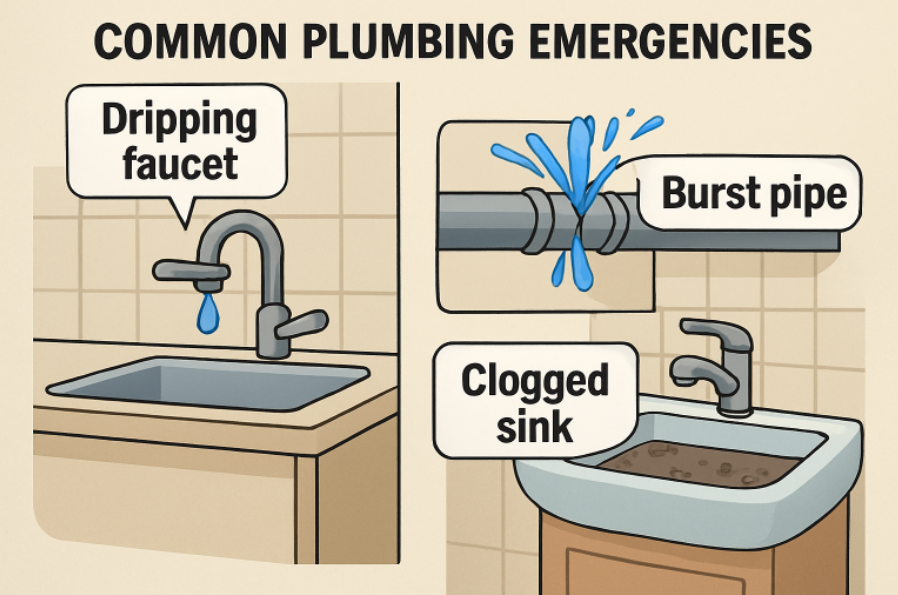
Plumbing issues can occur without warning, leading to significant inconvenience and the risk of costly property damage. Whether it’s water pouring from a broken pipe or a persistent drip from a leaky faucet, knowing how to identify and respond to these emergencies is crucial. Homeowners often find themselves searching for reliable solutions when disaster strikes, scrambling to locate an emergency plumber near me for immediate assistance.
Preparedness can minimize both panic and damage. Familiarizing yourself with the most frequent plumbing emergencies is a proactive step towards protecting your property and your peace of mind.
Beyond immediate response, understanding when to take action and when to call in experts can have a major impact on recovery and repair costs.
Burst Pipes
Burst pipes often top the list of plumbing emergencies for a reason — the amount of water escaping in a short time can be overwhelming. The most common culprit is freezing weather, which causes water in pipes to expand and the pipe walls to crack or split. Wherever it starts, even a small rupture can release gallons of water rapidly, drenching walls, ceilings, insulating materials, and belongings. Quick shutdown of your main water supply and fast professional intervention can reduce long-term damage. According to The New York Times’ Wirecutter, always know where your shut-off valves are located and inspect your home’s insulation before winter.
Clogged Drains
Drain clogs are a common nuisance that can indicate more significant issues, especially when they persist or affect multiple fixtures. Hair, grease, food scraps, soap scum, and even small objects accidentally flushed can contribute to stubborn blockages. Beyond causing water to drain slowly or back up, severe clogs can lead to unpleasant odors and even pipe damage if left unresolved. Preventive maintenance and proper disposal habits go a long way toward averting costly backups or pipe replacements.
Water Heater Failures
A sudden loss of hot water is a clear sign that something is amiss with your water heater. Sediment buildup at the bottom of the tank, worn components, or old age can all result in inefficient heating, rumbling noises, discolored water, or total failure. Especially during colder seasons, losing access to hot water can interfere with hygiene, cooking, and overall comfort. Many issues can be prevented by regular flushing and timely replacement of parts; however, when the unit is over a decade old, whole-unit replacement is often the most reliable solution.
Sewer Line Backups
Few situations evoke as much dread as a sewer backup. Not only is this emergency messy and highly disruptive, but it also poses legitimate health hazards due to bacterial contamination risks. Common causes range from intrusive tree roots and congealed fats to improper item flushing. Telltale signs include multiple drains backing up simultaneously, foul smells coming from drains, or toilets gurgling when water is run elsewhere in the house. Remediation typically requires specialized equipment and expertise, as delays can exacerbate the damage and increase the cost.
Leaky Faucets and Fixtures
That steady drip from the faucet isn’t just irritating; it can also drive up your water bill and signal deeper issues. Wear and tear on washers, O-rings, or valve seats are frequent causes. While a single fixture may not seem urgent, consistent leaks can add up over months or years, leading to water waste and potential corrosion of fixtures or pipes. Most homeowners can replace a washer, but a plumber should inspect persistent leaks to rule out underlying system issues.
Running Toilets
Toilets account for nearly 30% of household indoor water use. A running toilet — one that doesn’t stop filling the tank — can waste hundreds of gallons each day. Typical causes include a worn flapper, a broken fill valve, or an imbalanced float mechanism. These components are relatively inexpensive and simple to swap out, but if left unchecked, the resulting water loss and noise are anything but minor.
Low Water Pressure
Low water pressure is a frustrating but common problem. Sometimes the culprit is mineral buildup in pipes or aerators, while leaks or outages in the municipal supply are also possibilities. If pressure drops suddenly and only in one fixture, cleaning the faucet aerator may solve the problem. However, widespread or persistent problems are often best left to a licensed plumber for assessment and repair.
Preventive Measures
- Insulate pipes — especially those in cold or exposed areas — to prevent freezing and bursting.
- Avoid dumping cooking grease or fibrous foods like celery down kitchen drains.
- Drain and flush your water heater annually to avoid sediment buildup.
- Regularly check under sinks and behind appliances for early signs of leaks.
- Fix minor leaks as soon as they’re noticed to avoid compounding moisture problems.
- Ensure only human waste and toilet paper are flushed, keeping all other materials out of the pipes.
- Clean faucet aerators and showerheads periodically to dislodge mineral deposits.
Proactive maintenance and immediate attention to developing issues remain the best strategies for protecting your home and sanity from the havoc plumbing emergencies can wreak.
Final Thoughts
Plumbing emergencies can strike without warning, but preparation and awareness can significantly reduce their impact. By understanding common issues—from burst pipes and sewer backups to leaky faucets and low water pressure—homeowners can respond quickly and effectively, minimizing damage and expense. Preventive maintenance, timely repairs, and knowing when to call a licensed plumber are key to protecting both your home and your peace of mind. Staying proactive ensures that minor issues don’t escalate into major disasters, keeping your plumbing system—and your household—running smoothly throughout the year.