

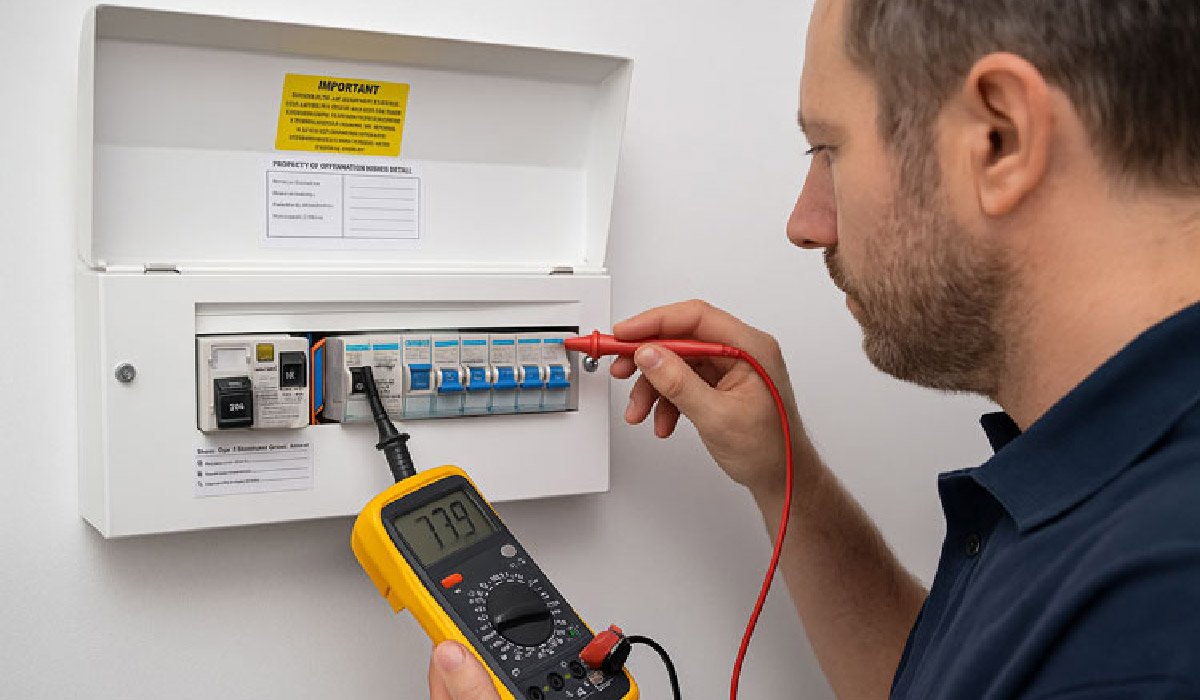
An Electric Installation Condition Report, also known as an EICR, is a report created by a qualified electrician after checking the electrical systems in a property. Its purpose is to assess whether the wiring, sockets, fuse boards, and other electrical components are safe to use and follow current safety rules.
Electricity is something we rely on every day, but it can be dangerous if not properly maintained. Faulty or outdated electrical installations are one of the leading causes of house fires and electric shocks. That is why the EICR exists—to identify problems before they cause harm.
In this guide, we’ll explain in simple words everything you need to know about EICRs: what they are, how they work, when to get one, what the results mean, and why they are so important for homeowners, landlords, and businesses.
What is an EICR?
An EICR is a written document that tells you the condition of the electrical installation in a property. It is done by a certified electrician who will inspect and test the wiring and electrical parts to see if they are safe and working correctly.
The electrician will look at things like sockets, switches, fuse boxes, lighting, and any fixed electrical equipment. If something is damaged, old, or not meeting the current safety rules, they will note it in the report. You will also be told if something is dangerous and needs fixing immediately.
The EICR helps people make informed decisions. If you are a landlord, it tells you what needs to be done to meet your legal duties. If you are a homeowner, it gives you peace of mind knowing your home is safe. If you are running a business, it protects your employees and customers.
Why Do You Need an EICR?
Electrical systems can become unsafe over time due to wear and tear, damage, incorrect installations, or changes to safety regulations. Without regular checks, you might not notice a problem until something serious happens, such as an electric shock or a fire.
Getting an EICR helps you:
-
Spot hidden faults before they turn dangerous
-
Keep your home, tenants, or workplace safe
-
Avoid legal penalties if you’re a landlord or business owner
-
Save money by repairing issues early
-
Prove to insurance companies that your system is safe
-
Sell or rent your property more easily
For landlords, EICRs are now a legal requirement in many areas. You must provide a valid EICR to tenants and renew it every five years or sooner if needed. If you fail to comply, you could face fines or legal action.
How Often Should You Get an EICR?
The frequency of EICRs depends on the type of property and its use. Here are the usual recommendations:
-
Homeowners: every 10 years or when selling the property
-
Landlords: every 5 years or when a new tenancy begins
-
Commercial properties: every 5 years or as specified by local rules
-
Industrial properties: every 3 years or sooner if equipment is high-risk
You should also get an EICR after major building work, after a flood or fire, or if you suspect electrical damage.
Even if not required by law, regular checks are always a smart choice for safety and value.
What Happens During an EICR Inspection?
The electrician starts with a visual inspection to check for obvious signs of wear, damage, overheating, or poor installation. They then carry out a series of electrical tests using specialized tools. These tests look at whether the wiring is functioning correctly and safely.
Here are some things that are tested:
-
Whether wires are securely connected and properly insulated
-
Whether circuit breakers and fuses work correctly
-
Whether safety switches (RCDs) will trip when needed
-
Whether the earthing system is effective in case of a fault
-
Whether any circuits are overloaded or incorrectly wired
The inspection usually takes between 2 and 4 hours, depending on the size of the property and complexity of the wiring. During this time, there may be some interruptions to the power supply.
After the inspection, the electrician gives you a written report explaining the findings.
Understanding the EICR Results
The report will list all the problems found and assign them codes based on urgency:
-
C1: Danger is present right now. Immediate action is required.
-
C2: There is a risk that could become dangerous. Needs urgent attention.
-
C3: Improvement recommended to increase safety, but not dangerous now.
-
FI: Further investigation is needed to find out more.
If the report contains any C1 or C2 codes, it will be marked “unsatisfactory.” This means you must arrange repairs before the system is considered safe.
If there are only C3 codes or no issues at all, your EICR will be “satisfactory.”
What to Do If the Report Is Unsatisfactory
If your EICR is unsatisfactory, don’t panic. It does not mean your house is unsafe to live in right away, but it does mean you should act fast.
The electrician can explain which issues need fixing and how soon. You can then hire them or another qualified electrician to carry out the necessary repairs. Once the repairs are complete, you may be given a “minor works certificate” or a re-inspection can be done to confirm that everything is now safe.
It’s important to keep all documents, including the original EICR, any certificates of repair, and any follow-up reports. These may be required for insurance, property sales, or legal purposes.
How Much Does an EICR Cost?
The cost of an EICR depends on several things: the size of the property, the number of circuits, the location, and whether it is domestic or commercial.
Here are average price ranges:
-
1-bedroom flat: £120 to £180
-
2–3 bedroom house: £180 to £250
-
Large homes or commercial buildings: £300 to £500 or more
The cost may increase if the electrician needs to investigate difficult-to-reach areas or perform extra tests. Repairs are charged separately.
Although it may seem expensive, an EICR is a smart investment. It can prevent dangerous faults, save on long-term repair costs, and protect you from legal trouble.
Who Can Carry Out an EICR?
Only a qualified and registered electrician should carry out an EICR. They must be trained to follow the current Wiring Regulations (BS 7671) and know how to test electrical systems safely.
You should always check that your electrician is registered with a recognized body such as:
-
NICEIC (National Inspection Council for Electrical Installation Contracting)
-
NAPIT (National Association of Professional Inspectors and Testers)
-
ELECSA (Part of Certsure LLP)
Before hiring, ask for:
-
Proof of registration or certification
-
Details of experience with similar properties
-
A full written quote
-
An estimated timeline for inspection and reporting
Using a properly trained electrician gives you confidence that the report is accurate and meets legal standards.
Preparing for the EICR Inspection
Before the electrician arrives, it’s helpful to make some simple preparations to allow the inspection to run smoothly.
-
Make sure they can easily access the fuse board, sockets, and switches
-
Clear away furniture or clutter that blocks important electrical points
-
Let them know if there are any known electrical problems
-
Have previous reports or certificates available, if you have them
-
Inform any tenants or staff about when the inspection will take place
These steps help the electrician work faster and avoid delays.
What Are the Most Common Problems Found in EICRs?
Here are some common faults that electricians often find during EICRs:
-
Old wiring that no longer meets modern safety standards
-
Loose connections or broken sockets
-
Overloaded circuits with too many appliances
-
No RCD protection in the fuse board
-
Burn marks on sockets or switches
-
Poor or missing earthing and bonding
These problems can all be fixed, but it’s better to find them early with an EICR before they cause damage or injury.
How Does an EICR Affect Property Sales or Rentals?
If you’re planning to sell or rent out your property, having a recent EICR can help make the process easier. It shows that you have taken steps to keep the property safe. Buyers and tenants are more likely to trust a property with up-to-date safety checks.
Some mortgage lenders or insurers may even ask for an EICR before finalizing an agreement. Having one ready saves time and avoids issues later.
Landlords who do not provide a valid EICR may be fined or even face legal action if a tenant is harmed by an electrical fault.
Final Words
An Electric Installation Condition Report is not just another form or checklist. It is a key part of making sure your home, business, or rental property is safe for people to live or work in. It’s also an important tool to meet legal responsibilities and avoid costly problems in the future.
Whether you’re a landlord, a homeowner, or a business owner, you should think of the EICR as a regular part of your property maintenance—just like getting your boiler serviced or your roof checked.
A safe electrical system can save lives. Taking action today could prevent a major issue tomorrow. If you haven’t had an EICR done recently, now is the time to book one and make sure your property is as safe as it should be.