

Learning life-saving techniques is not just for professionals or emergency workers. Anyone can learn simple actions that can make a real difference in critical moments. These skills help you stay calm and act quickly when every second matters.
Many people think these techniques are hard, but they are often easier than expected. With the right approach, you can build confidence in a short time. The more you understand, the more prepared you will feel in unexpected situations.
Keep reading to explore essential life-saving techniques you can start learning today.
Understanding the Basics of Emergency Response
Knowing how to respond in an emergency is the first step toward saving a life. You need to stay calm and observe the situation quickly. It is important to check if the area is safe before helping anyone. Calling for help should always come early in the process.
Clear communication with emergency services can guide your next steps. You should also learn how to assess if a person is conscious or breathing. These simple checks can shape what you do next. Practicing these basics helps you react faster in real situations.
Learning Proper CPR Techniques
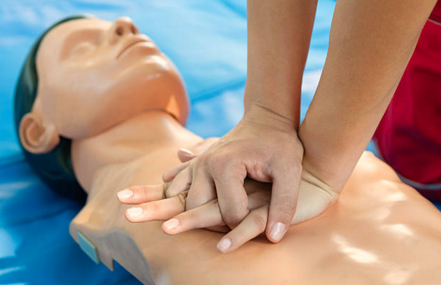
Cardiopulmonary resuscitation is one of the most important skills you can learn. It helps keep blood flowing when a person’s heart stops. You need to place your hands correctly on the chest. Pressing hard and fast is key to effective CPR.
Rescue breaths may also be needed in some cases. Training programs like MyCPR NOW can guide you through the right steps clearly. Regular practice helps you remember the rhythm and pressure needed. This skill alone can save lives in many emergencies.
Mastering the Use of an AED
An automated external defibrillator can restart a heart during cardiac arrest. These devices are often found in public places. They are designed to be easy to use even for beginners. The machine gives clear voice instructions when turned on.
You just need to follow each step carefully. Placing the pads correctly is very important. The device will decide if a shock is needed. Learning how to use an AED can boost your confidence in emergencies.
Controlling Severe Bleeding
Heavy bleeding can become life-threatening very quickly. You need to act fast to control it. Applying firm pressure to the wound is the first step. Using clean cloth or bandages helps reduce infection risk.
Elevating the injured area can also slow the bleeding. In some cases, a tourniquet may be needed. Knowing when and how to use one is important. Practicing these steps helps you stay ready for serious injuries.
Providing Basic First Aid for Injuries
Basic first aid covers many common injuries. This includes cuts, burns, and sprains. Cleaning a wound properly helps prevent infection. Applying the right dressing protects the injury.
For burns, cooling the area with water is helpful. You should avoid using harmful substances on wounds. Knowing when to seek medical help is also important. These simple skills can make recovery easier and safer.
Learn Faster: Some Essential Life-Saving Techniques
In the end, learning life-saving techniques gives you the power to help others when it matters most. These skills are simple, but they can have a huge impact. You do not need years of training to get started. Small steps can build strong confidence over time.
Practicing regularly helps you stay prepared and calm. The more you learn, the more capable you become in emergencies. Start today and take control of situations that truly matter.
If you are looking for more topics, visit our blog. We do have more!
