

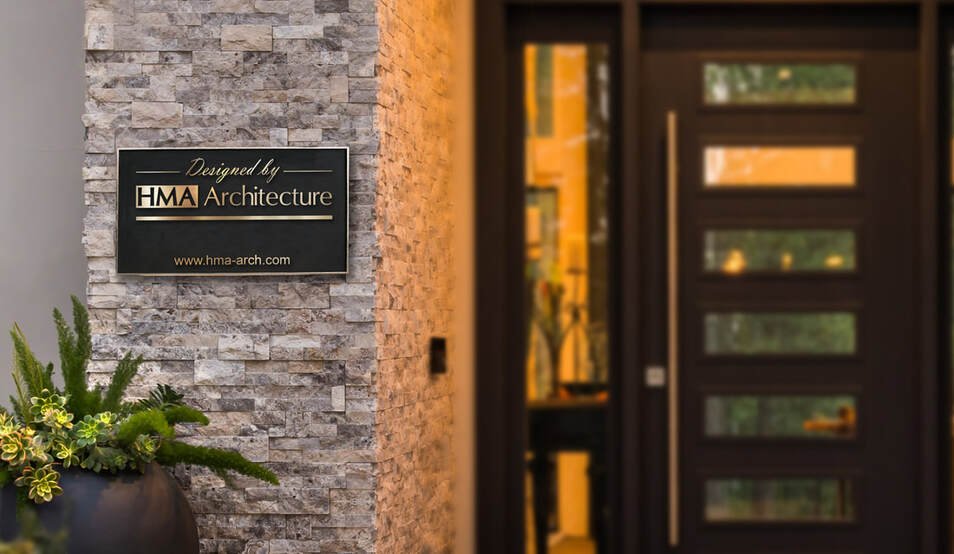
Architectural design today goes far beyond drawing building plans. It is a multidisciplinary process that integrates creativity, engineering, sustainability, and regulatory compliance to produce functional and visually appealing spaces. Whether planning a home renovation, a commercial complex, or a public institution, clients require experienced professionals who understand both technical and aesthetic considerations. One strong example is HMA Architecture, a professional architectural service provider known for delivering comprehensive solutions from concept to completion. Firms such as HMA Architecture specialize in residential renovations, commercial developments, and institutional projects while offering integrated services including architectural design, interior design, structural engineering, feasibility studies, project management, and guidance through local planning approvals and building permits. This holistic approach ensures projects move efficiently from initial idea to finished structure.
Professional architectural planning helps reduce risks, control costs, and maintain quality throughout the project lifecycle. A well-organized architectural firm provides not only creative designs but also technical expertise that ensures the final construction meets safety standards and functional requirements.
Understanding Architectural Design Services
Architectural design services are the foundation of any successful building project. These services transform ideas into structured plans that builders can execute. The design stage typically includes conceptual sketches, site analysis, and detailed construction drawings.
An architectural firm studies the client’s needs, the physical site conditions, and environmental considerations before developing design proposals. This ensures the final structure is practical, energy-efficient, and suited to its surroundings. Architectural design also considers future expansion possibilities and long-term usability.
Concept Development and Planning
The first phase of architectural planning involves understanding the client’s vision. Architects conduct meetings and site visits to gather essential information. They evaluate land dimensions, zoning regulations, and environmental factors to determine what is possible.
Concept development produces initial sketches and design ideas that reflect both creativity and practicality. This stage is crucial because it establishes the direction of the entire project.
A well-developed concept allows clients to visualize the future building and suggest modifications before construction begins. This minimizes costly changes later in the process.
Detailed Architectural Drawings
Once the concept is approved, architects create technical drawings that guide the construction process. These drawings include floor plans, elevations, sections, and construction details.
Detailed drawings ensure that contractors understand exactly how to build the project. Precision in these documents prevents misunderstandings and reduces construction delays.
Professional architectural documentation also helps clients obtain permits and approvals from local authorities.
Comprehensive Project Planning
Project planning is an essential part of architectural services. Without proper planning, construction projects can exceed budgets and timelines.
Professional planners coordinate different aspects of a project including design, engineering, and construction scheduling. This integrated approach helps maintain efficiency throughout the project.
The strength of HMA Architecture lies in providing coordinated project planning services that combine design expertise with technical knowledge. This integration ensures that each stage of the project supports the overall goals.
Feasibility Studies
Before starting construction, it is important to determine whether a project is financially and technically viable. Feasibility studies evaluate costs, site conditions, and potential challenges.
These studies help clients make informed decisions about investments. They identify risks and suggest solutions before significant resources are committed.
A thorough feasibility study saves both time and money by preventing unrealistic projects from moving forward.
Budget and Cost Planning
Cost control is one of the biggest challenges in construction. Architectural firms help clients establish realistic budgets based on project requirements.
Cost planning includes estimating materials, labor, and professional services. Regular financial monitoring keeps the project within budget.
Accurate budgeting prevents unexpected expenses and ensures financial stability throughout construction.
Structural Engineering Integration
Structural engineering ensures that buildings are safe and durable. Architects work closely with structural engineers to design frameworks that can support loads and resist environmental forces.
Proper structural design protects buildings from damage caused by wind, earthquakes, and other stresses. It also ensures compliance with building codes.
Integrated structural planning improves construction efficiency and prevents design conflicts.
Collaboration between architects and engineers results in balanced designs that combine beauty with strength.
Interior Design and Space Optimization
Interior design is an important part of architectural planning. Well-designed interiors enhance comfort and productivity while maximizing space utilization.
Interior designers select materials, colors, lighting, and furniture layouts that complement the architectural design.
Functional interior design improves the daily experience of occupants. It ensures that spaces are comfortable, efficient, and visually appealing.
Professional interior planning also considers ventilation, lighting efficiency, and acoustic comfort.
Regulatory Approvals and Permits
Building regulations vary by region and must be followed carefully. Architectural firms help clients navigate complex approval processes.
Obtaining planning permissions and building permits requires detailed documentation and compliance with regulations.
Professional assistance ensures applications are prepared correctly and submitted on time.
This reduces delays and prevents legal complications during construction.
Experienced architects understand local regulations and help clients avoid costly mistakes.
Project Management and Coordination
Project management is essential for successful construction. Architects often oversee projects to ensure that designs are implemented correctly.
Project managers coordinate contractors, suppliers, and engineers to maintain progress.
They monitor construction quality and ensure that work meets specifications.
Effective project management keeps projects on schedule and within budget.
Regular site inspections help identify issues early and prevent major problems.
Residential Renovation Services
Home renovation projects require careful planning to improve existing structures without compromising stability.
Architectural renovation services include redesigning layouts, upgrading materials, and improving energy efficiency.
Renovations can increase property value and improve living conditions.
Professional renovation planning ensures that modifications integrate seamlessly with existing structures.
Many homeowners choose renovation instead of rebuilding because it is often more cost-effective.
Modernizing Existing Homes
Modern renovations focus on improving functionality and aesthetics. This may include open floor plans, improved lighting, and energy-efficient systems.
Architects help homeowners achieve modern living standards while preserving the character of the original structure.
Careful design ensures that renovations remain practical and visually attractive.
Commercial Development Projects
Commercial buildings require specialized planning to support business operations.
Architectural planning considers customer flow, accessibility, and safety requirements.
Efficient commercial design improves productivity and enhances customer experiences.
Office buildings, retail spaces, and industrial facilities all require different design approaches.
Professional planning ensures that commercial spaces meet operational needs.
Institutional Building Design
Institutional buildings such as schools and healthcare facilities require careful planning to serve large numbers of users.
Architectural planning for institutions focuses on safety, accessibility, and long-term durability.
Designing institutional buildings involves strict compliance with regulations and safety standards.
Well-planned institutions improve service delivery and user comfort.
The expertise demonstrated in HMA Architecture projects shows how coordinated planning can support complex institutional requirements.
Benefits of Professional Architectural Services
Professional architectural services provide many advantages compared to unmanaged construction.
Improved Efficiency
Professional planning reduces delays and ensures smooth construction.
Architects coordinate different aspects of the project to maintain progress.
Efficient planning saves time and resources.
Better Quality Construction
Architectural supervision ensures that construction meets design standards.
Quality control prevents defects and structural problems.
Professional oversight improves durability and performance.
Long-Term Value
Well-designed buildings maintain value over time.
Quality architecture improves usability and reduces maintenance costs.
Investing in professional design produces long-term benefits.
Choosing the Right Architectural Partner
Selecting an architectural firm is one of the most important decisions in a construction project.
Clients should look for firms with experience in similar projects.
A good architectural partner provides clear communication and transparent pricing.
Professional firms guide clients through each stage of development.
Choosing the right team ensures a smoother and more successful project.
Conclusion
Architectural design and project planning services play a critical role in successful construction. From concept development to project completion, professional architects help transform ideas into functional and attractive buildings.
Comprehensive services including design, engineering, project management, and regulatory assistance ensure that projects progress smoothly.
The integrated approach demonstrated by HMA Architecture shows how professional expertise can simplify complex construction projects. Through careful planning and coordination, architectural firms help clients achieve their goals efficiently and successfully.
Modern architecture is not only about creating beautiful structures but also about delivering practical solutions that meet real-world needs. With professional guidance and strategic planning, construction projects can be completed with confidence and lasting value.
Read Also: handy tips dr homey