

Key Takeaways
- Modern HVAC systems emphasize energy efficiency and environmental sustainability.
- Smart technology integration allows for personalized climate control and energy management.
- Government incentives can significantly offset the cost of upgrading to efficient systems.
Efficient home climate control is more important now than ever, prompting today’s homeowners to carefully research their options before investing in a new HVAC system. Energy efficiency and comfort are high priorities for families aiming to manage rising utility bills without sacrificing their living environment. Advancements in HVAC technology, growing environmental awareness, and fluctuating energy costs have all driven the search for more effective, responsible solutions. Because heating and cooling account for a significant portion of household energy consumption, upgrading has become far more than a luxury; it’s often seen as a necessity. For many, this shift has led to the adoption of systems that integrate smart controls, Wi-Fi connectivity, and high energy ratings, such as split system air conditioners, which combine flexibility with state-of-the-art performance.
When choosing an HVAC system, homeowners weigh factors like energy use, environmental impact, costs, and fit for daily needs. Instead of outdated, energy-wasting units, buyers compare SEER and AFUE ratings and check for smart home compatibility. These metrics are now essential for system performance and longevity. Focusing on them helps families stay comfortable year-round efficiently and affordably, protecting their investment from obsolescence. Smart HVAC upgrades meet modern demands for convenience and control. Wi-Fi thermostats and home automation enable remote adjustments, scheduling, and maintenance alerts. Sensors detect vacant rooms to reduce energy use, boosting savings. As eco-friendliness grows in importance, families explore eco-friendly refrigerants and cleaner designs, which meet regulations and lower carbon footprints. These upgrades support greener homes, lower bills, and easier indoor management. Resources like the U.S. Department of Energy’s Energy Saver Guide offer detailed info on efficiency ratings, optimal technologies, and government incentives, helping homeowners make informed decisions tailored to their climate and home size.
Understanding Energy Efficiency Ratings
Efficiency metrics are vital for evaluating and comparing HVAC equipment. The SEER rating measures cooling performance, showing how effectively a system removes heat from a home for every watt of power consumed. A higher SEER score means lower cooling costs during summer and less strain on the power grid. Similarly, the Annual Fuel Utilization Efficiency (AFUE) rating applies to heating equipment and indicates the percentage of fuel converted directly into heat. Systems with higher AFUE ratings waste less fuel, produce lower emissions, and deliver stronger savings year after year. By prioritizing models with exceptional SEER and AFUE ratings, homeowners can significantly reduce energy use, lower utility bills, and protect the environment from unnecessary pollution.
Embracing Smart Technology
The integration of smart technology is revolutionizing the HVAC industry, ushering in an era of automation and convenience. Smart thermostats can be controlled via smartphones, tablets, or voice assistants and are increasingly equipped with learning algorithms that anticipate user needs by monitoring behavior patterns, occupancy, and even local weather forecasts. These systems make it simple to create custom schedules, reduce unnecessary heating or cooling, and react instantly to environmental changes in the home. Many smart HVAC units come with energy usage tracking, tips to reduce waste, and advanced diagnostics to detect minor issues before they turn into costly repairs. As noted in Consumer Reports’ review of smart thermostats, these models can yield major improvements in both convenience and savings, letting households stay comfortable while actively reducing their carbon footprint.
Considering Eco-Friendly Refrigerants
Environmental awareness is shaping nearly every aspect of home improvement, including HVAC choices. Older refrigerants, such as R-22, have a high Global Warming Potential (GWP) and can contribute dramatically to greenhouse gas emissions if released. Current regulations are phasing these out, prompting manufacturers and installers to use alternatives such as R-32 and R-454B. These modern refrigerants provide high operating efficiency while dramatically reducing their impact on the ozone layer and climate. For homeowners, choosing a system with an eco-friendly refrigerant not only ensures compliance with approaching regulations but also supports broader efforts to limit environmental harm, offering peace of mind and even improved resale value for eco-conscious buyers.
Exploring Heat Pump Technology
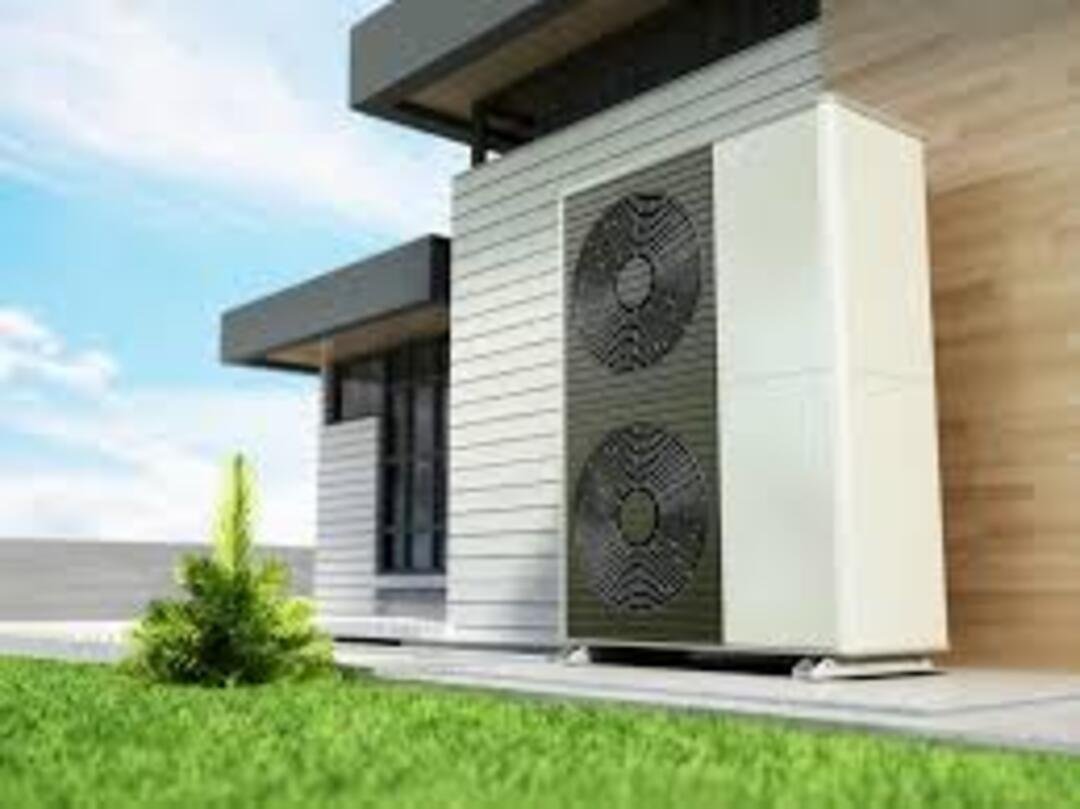
Heat pumps represent a game-changing trend in sustainable home heating and cooling. Unlike conventional furnaces or air conditioners that generate hot or cold air through combustion or intensive energy use, heat pumps move heat between the indoors and outdoors as needed. In winter, they extract warmth from outdoor air, even in surprisingly low temperatures, and bring it indoors. In summer, they reverse the process to provide efficient cooling. The flexibility and energy savings offered by heat pumps have made them increasingly popular across diverse climates, including regions with very cold winters. Thanks to new advances, high-efficiency heat pumps now provide reliable heating down to freezing and beyond, often eliminating the need for separate, energy-hungry systems and simplifying home climate management.
Assessing System Size and Installation
The performance and efficiency of any HVAC system depend heavily on proper sizing and professional installation. Oversized or undersized systems run either too frequently or not enough, causing premature wear, higher maintenance costs, and disappointing comfort levels. Experienced, certified technicians calculate the ideal system size by factoring in square footage, insulation, sun exposure, window placement, and specific climate conditions. These load calculations ensure each system is tailored for maximum effectiveness, boosting both reliability and lifetime value. Properly installed systems enjoy fewer breakdowns, reduced energy use, and consistently balanced temperatures throughout the home, saving homeowners time, frustration, and money.
Evaluating Incentives and Rebates
Upgrading to energy-efficient HVAC systems can be more affordable than most people expect, thanks to robust federal, state, and local incentives. The Inflation Reduction Act, for example, offers substantial tax credits, up to 30% of installation costs for qualifying systems, with total annual benefits reaching $3,200. Additional rebates or financing programs from state governments and utility providers are designed to promote widespread adoption of these technologies, allowing even more families to benefit. These rebates often target Energy Star-certified products or systems using low-GWP refrigerants. Details and eligibility requirements vary, so it’s important to research current offerings on trusted government websites such as Energy.gov and consult with qualified installers to secure maximum savings.
Prioritizing Indoor Air Quality
In addition to heating and cooling, modern HVAC systems can also improve indoor air quality, a growing priority for families everywhere. Innovations in filtration, humidity control, and air purification, including UV light sanitizers and HEPA-grade filters, target allergens, dust, bacteria, and even viruses. Improved air quality makes homes safer and more comfortable, especially for children, allergy sufferers, or people with respiratory conditions. Upgrading filters and adding proper ventilation further support healthy living, ensuring that homes are not just efficient but truly nurturing environments where families can thrive.
Conclusion
Today’s homeowners enjoy an ever-expanding array of advanced HVAC solutions that prioritize energy efficiency, smart controls, lower-impact materials, and financial incentives. By factoring in energy ratings, integrating the latest technology, and relying on trusted information from resources like the Department of Energy, it’s easier than ever to create homes that are comfortable, eco-friendly, and cost-effective. Thorough research and smart investments can ensure healthy indoor environments and significant long-term savings.