

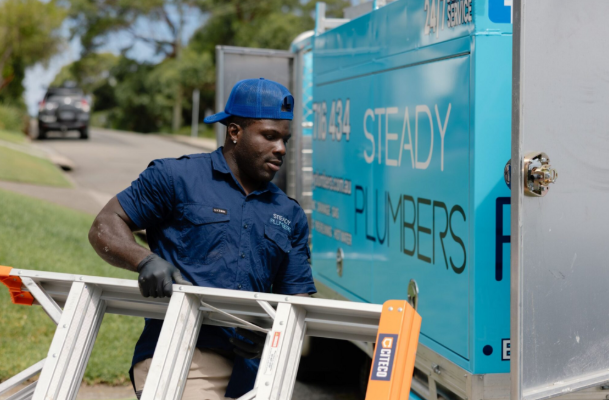
Plumbing emergencies can disrupt daily life, cause property damage and lead to unexpected repair costs. Burst pipes, overflowing drains and sudden water leaks often occur without warning, leaving homeowners scrambling for urgent solutions. Many property owners seeking reliable support discover that Steady Plumbers play an important role in addressing urgent plumbing issues and helping prevent them before they escalate. Understanding how emergency plumbing problems develop and how to reduce their likelihood is essential for maintaining safe and functional residential properties.
Understanding the Nature of Plumbing Emergencies
Plumbing emergencies rarely occur in isolation. In most cases, they are the result of gradual wear, unnoticed damage or ongoing maintenance issues that have been overlooked over time. Pipes, fittings and drainage systems are constantly exposed to pressure, temperature changes and environmental factors.
When minor issues are ignored, they can escalate into major failures. A small leak can weaken pipe joints, a slow drain can develop into a complete blockage, and ageing components can fail suddenly under pressure. Recognising that emergencies often have early warning signs is the first step toward prevention.
Regular Plumbing Inspections as a Preventative Measure
One of the most effective ways to prevent plumbing emergencies is through regular inspections. Professional assessments help identify potential issues before they become serious problems.
During an inspection, plumbers check pipe integrity, water pressure, drainage performance and the condition of fixtures. They also identify corrosion, leaks or structural weaknesses that may not be visible to homeowners. Routine inspections are particularly valuable in older homes, where plumbing systems may no longer meet modern standards or may be approaching the end of their lifespan.
Maintaining Healthy Drainage Systems
Blocked drains are among the most common causes of plumbing emergencies. Over time, grease, hair, soap residue and debris accumulate inside pipes, restricting water flow and increasing pressure within the system.
Preventative drain maintenance helps reduce the risk of sudden blockages and overflows. Regular cleaning and responsible household habits play a key role in maintaining healthy drainage systems. Avoiding the disposal of grease and food waste in sinks, using drain covers and addressing slow drainage early can significantly reduce the likelihood of emergency situations.
Addressing Leaks Early
Leaks are often underestimated because they may appear minor at first. However, even small leaks can indicate underlying issues such as pipe corrosion, joint failure or pressure imbalances.
Unchecked leaks can lead to water damage, mould growth and structural deterioration. Over time, they may also weaken pipes, increasing the risk of sudden bursts. Homeowners should monitor signs such as damp patches, unusual water bills or reduced water pressure. Promptly addressing leaks with professional assistance helps prevent more severe failures.
Managing Water Pressure
Excessive water pressure places strain on pipes, fittings and appliances. Over time, this pressure can accelerate wear and increase the likelihood of pipe bursts or joint failures.
Many homeowners are unaware of their property’s water pressure levels. Professional plumbers can assess pressure and recommend solutions such as pressure-reducing valves if necessary. Maintaining balanced water pressure not only reduces the risk of emergencies but also extends the lifespan of plumbing components.
Upgrading Ageing Plumbing Systems
Older plumbing systems are more vulnerable to failure due to outdated materials and design limitations. Pipes made from galvanised steel or clay are particularly prone to corrosion, cracking and collapse.
Upgrading ageing systems is a proactive way to prevent emergencies. While upgrades require investment, they often cost less than repeated emergency repairs and associated property damage. Modern materials and installation techniques offer greater durability and reliability, making upgrades a practical long-term solution for many homeowners.
Preparing for Seasonal and Environmental Factors
Seasonal changes and environmental conditions can affect plumbing systems. Heavy rainfall, temperature fluctuations and soil movement can all contribute to plumbing stress.
Stormwater systems can become overwhelmed during heavy rain, while temperature changes can cause pipes to expand and contract. In some areas, tree roots may invade underground pipes in search of moisture. Homeowners can reduce risk by maintaining external drains, monitoring outdoor plumbing and addressing environmental factors that may impact underground pipes.
Responsible Use of Plumbing Fixtures
Everyday habits influence the health of plumbing systems. Misuse of fixtures can accelerate wear and increase the likelihood of emergencies.
Flushing inappropriate items, overloading garbage disposals or ignoring manufacturer guidelines for appliances can strain plumbing systems. Educating household members about responsible use helps protect pipes and fixtures. Small behavioural changes, when practiced consistently, can significantly reduce the risk of sudden plumbing failures.
The Role of Preventative Maintenance Plans
Preventative maintenance plans provide a structured approach to plumbing care. These plans often include scheduled inspections, cleaning and minor repairs designed to keep systems operating efficiently.
For homeowners, maintenance plans offer predictability and peace of mind. Rather than reacting to emergencies, property owners can address issues systematically. Preventative maintenance also supports budgeting by reducing the likelihood of unexpected repair costs and property damage.
Benefits of Professional Plumbing Support
While some minor plumbing tasks can be handled by homeowners, professional expertise is essential for diagnosing and resolving complex issues. Licensed plumbers use specialised tools and knowledge to identify hidden problems and implement effective solutions.
Professional support ensures that repairs and upgrades comply with Australian standards and safety regulations. This is particularly important for insurance and property value considerations. Working with experienced local plumbers also provides homeowners with tailored advice based on regional conditions and property characteristics.
Long-Term Value of Proactive Plumbing Care
Preventing plumbing emergencies is not only about avoiding inconvenience. It also contributes to long-term property performance and value.
Well-maintained plumbing systems enhance household comfort, reduce maintenance costs and protect structural integrity. Proactive care also improves the reliability of water and drainage systems, supporting everyday living. Over time, consistent maintenance reduces stress and financial burden associated with emergency repairs, making it a valuable investment for homeowners.
Conclusion
Plumbing emergencies often result from gradual issues that could have been prevented with timely maintenance and professional oversight. Regular inspections, responsible usage, system upgrades and environmental awareness all play important roles in reducing the risk of sudden failures.
For homeowners seeking reliable guidance and support, working with professionals such as Steady Plumbers highlights the importance of proactive plumbing care in residential properties. By understanding how emergencies develop and adopting preventative strategies, property owners can protect their homes, reduce costs and maintain efficient plumbing systems.
In an environment where plumbing systems are essential to daily life, preventing emergencies is not just a matter of convenience but a fundamental aspect of responsible home ownership. Through informed decisions and professional support, homeowners can ensure their plumbing systems remain resilient, reliable and prepared for long-term use.
