

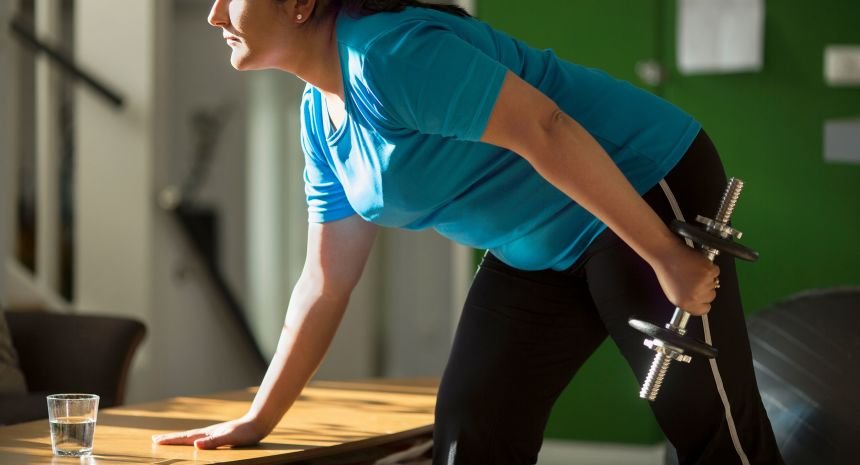
Starting a gym routine can feel intimidating for anyone, but if you’re taking a GLP-1 medication for weight loss or blood sugar management, you might be wondering how exercise fits into the picture. The good news? Working out while on a GLP-1 can actually boost your results, help protect muscle mass, and improve your overall health. The key is knowing how to start safely and realistically so you build habits that stick. If you’re exploring fitness centers in Sterling VA, choosing one with supportive trainers and flexible programs can make it much easier to stay consistent and reach your health goals.
Here’s a beginner-friendly guide to help you ease into fitness while your body adjusts.
First, understand what your body is experiencing.
Weight loss programs work by slowing digestion, regulating blood sugar, and reducing appetite. That means you may be eating less than you used to, which can lead to faster weight loss but also lower energy levels, especially at first. Some people also experience side effects like nausea, fatigue, or mild dizziness during the adjustment phase.
Because of this, your gym routine shouldn’t look like a high-intensity boot camp right away. Think of this stage as foundation building, not transformation mode.
Start Slow (Seriously, Slower Than You Think)
One of the biggest mistakes beginners make is doing too much too soon. When you’re on a GLP-1, this can backfire faster because your calorie intake is often lower. Instead of jumping into intense daily workouts, aim for:
- 3 days per week
- 30–45 minutes per session
- Moderate intensity
Walking on the treadmill, light cycling, or beginner strength circuits are perfect starting points. Your goal isn’t exhaustion, it’s consistency.
A good rule of thumb: you should leave the gym feeling energized, not drained.
Strength Training Is Your Best Friend
When people lose weight quickly, some of that weight can come from muscle, not just fat. Strength training helps prevent this. Maintaining muscle is important because it keeps your metabolism strong, supports joint health, and helps you look more toned as you lose weight.
You don’t need to lift heavy to get results. Start with:
- Bodyweight exercises
- Resistance bands
- Light dumbbells
Focus on full-body workouts 2–3 times per week. Even basic moves like squats, rows, presses, and lunges can make a big difference.
Pay Attention to Fuel and Hydration
Because GLP-1 medications suppress appetite, it’s easy to under-eat, especially before workouts. But exercising without enough fuel can leave you lightheaded or shaky.
Try these tips:
- Eat a small snack 60–90 minutes before workouts (protein + carbs works best)
- Stay hydrated throughout the day, not just at the gym
- Don’t skip meals after exercise
If you feel dizzy or weak mid-workout, stop and rest. That’s your body asking for fuel, not a sign you should push harder.
Listen to Your Energy Levels
Some days you’ll feel strong and motivated. Other days, you might feel sluggish, especially if your medication dose was recently increased. That’s normal.
Instead of forcing yourself through an intense workout, match your routine to your energy level:
Low energy day: stretching, walking, light yoga
Moderate energy: machines, light weights, steady cardio
High energy: full workout session
Consistency beats intensity every time. Showing up regularly, even for lighter sessions, builds long-term success.
Don’t Chase Fast Results
GLP-1 medications can lead to noticeable weight loss fairly quickly, which can make it tempting to go all-in at the gym for even faster progress. But sustainable fitness isn’t about speed; it’s about habits.
If you push too hard too soon, you risk:
- Burnout
- Injury
- Losing motivation
A steady routine you enjoy will always outperform a punishing routine you dread.
Recovery Matters More Than You Think
Recovery is where your body actually adapts and gets stronger. This is especially important if you’re eating less than usual. Make sure you:
- Sleep 7–9 hours
- Take rest days
- Stretch after workouts
If your muscles feel unusually sore for days, it may be a sign you need more recovery time or more nutrients.
Track Progress Beyond the Scale
When you’re on a GLP-1, the scale will likely move, but it shouldn’t be your only measure of success. Exercise improves your health in ways that numbers can’t show.
Look for wins like:
- Increased stamina
- Better mood
- Stronger lifts
- Looser clothes
- Improved sleep
These changes often appear before major visual differences, so celebrate them.
Consider Professional Guidance
If you’re unsure where to start, a trainer or fitness coach can be incredibly helpful, especially one familiar with weight-loss medications. They can design a plan that supports your goals without pushing your body too far.
Even a single introductory session can give you structure, confidence, and a clear starting point.
Final Thoughts
Starting the gym while on a GLP-1 isn’t about grinding harder; it’s about training smarter. Your body is already going through changes, so your role is to support it with movement that builds strength, improves endurance, and keeps you feeling good.
Think of this as a partnership: your medication helps regulate appetite and metabolism, while exercise helps shape your strength, energy, and long-term health.
Take it slow. Stay consistent. Listen to your body.
That’s how real progress happens.