

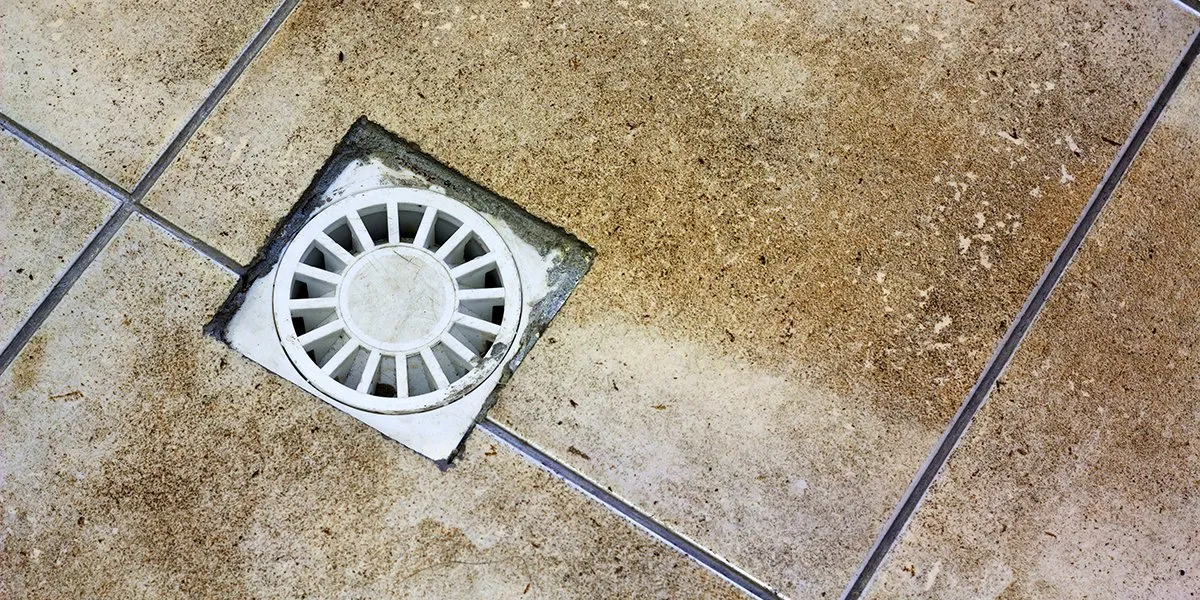
A basement drain is designed to remove excess water and protect the lowest level of a home. When it backs up, homeowners often face standing water, unpleasant odors, and an urgent need for solutions like drain jetting from Westland Heating and Plumbing. Understanding why these backups happen can help prevent future plumbing emergencies.
How Basement Drains Work
Basement drains are connected to the home’s main sewer or drainage line. Their purpose is to remove water that may collect from appliances, plumbing fixtures, or unexpected flooding. When functioning correctly, they quietly carry water away without drawing attention.
These drains are typically placed at the lowest point of the basement floor. Gravity helps guide water into the drain opening. From there, it travels through pipes that lead to the main sewer line.
Because basement drains sit at the lowest point in the plumbing system, they are often the first place problems appear. If the main line becomes blocked, wastewater may back up into the basement drain. This can quickly create a messy and stressful situation.
Common Causes of Basement Drain Backups
One of the most common causes of basement drain backups is a blockage in the main sewer line. Debris such as grease, soap residue, and food waste can accumulate over time. As the buildup grows, the pipe becomes more restricted.
Tree roots are another frequent source of trouble. Roots naturally seek moisture and may enter sewer lines through tiny cracks. Once inside the pipe, they expand and create dense blockages.
Aging pipes can also contribute to drain problems. Older sewer lines may develop cracks, corrosion, or collapsed sections. These structural issues disrupt normal water flow, leading to backups.
Heavy Rain and Sewer Overload
Weather conditions can also influence basement drain performance. During heavy rainfall, large volumes of water enter municipal sewer systems. The added pressure can temporarily overwhelm the system.
When the sewer system struggles to handle the extra water, it may force wastewater back toward homes. Basement drains often become the first outlet for this pressure. As a result, water may rise through the drain opening.
Homes located in low lying areas are especially vulnerable. Gravity naturally directs excess water toward lower elevations. This increases the risk of backups during severe storms.
Warning Signs of a Developing Drain Problem
Several warning signs may appear before a full basement drain backup occurs. One common indicator is slow drainage from basement floor drains. Water may take longer than usual to disappear.
Another sign is unusual sounds coming from plumbing fixtures. Gurgling noises may occur when air becomes trapped in partially blocked pipes. These sounds often signal restricted water flow.
Unpleasant odors may also emerge from basement drains. Wastewater trapped in pipes can produce strong smells. This is often an early warning of a developing blockage.
Why Basement Drain Backups Are Serious
Basement drain backups can cause significant property damage if not addressed quickly. Standing water can damage flooring, walls, and stored belongings. Moisture also increases the risk of mold growth.
In addition to structural damage, sanitation concerns may arise. Wastewater can contain bacteria and other harmful contaminants. Contact with this water should always be avoided.
Repeated backups may also indicate deeper plumbing issues. Ignoring the problem can allow damage to worsen over time. Prompt attention helps prevent more expensive repairs later.
Professional Methods for Clearing Basement Drains
When a blockage occurs deep within the sewer line, professional plumbing services are often required. Plumbers use specialized equipment to locate and remove obstructions. Camera inspections help identify the exact source of the problem.
One effective cleaning method involves hydrojetting. This technique uses high pressure water to remove debris and buildup inside pipes. The powerful stream clears the pipe walls and restores proper flow.
Hydrojetting can also remove grease deposits, sediment, and minor root intrusions. Thoroughly cleaning the pipe interior reduces the likelihood of future blockages. This makes it a reliable solution for stubborn drain problems.
The Importance of Acting Quickly
When a basement drain starts showing signs of a problem, it is important to deal with it right away. Addressing a small issue early can prevent it from turning into a major plumbing emergency. Even a minor blockage can grow into a much larger problem if it is left alone.
Licensed plumbers have the tools and knowledge needed to handle these situations properly. They can examine the sewer line to find the exact cause of the issue. Once identified, they can recommend the most effective way to fix it.
Prompt repairs also help protect the home’s structure. Water damage can spread and become worse the longer it sits. Acting quickly helps limit the damage and reduces the chance of expensive repairs later.
Final Thoughts
Basement drain backups can occur for many reasons, including sewer blockages, heavy rainfall, and aging pipes. Recognizing the early warning signs allows homeowners to respond before water damage spreads. When persistent drain problems arise, solutions such as drain jetting from Westland Heating and Plumbing can provide effective relief.
