

Key Takeaways
- Technological advancements are significantly improving the accuracy and reliability of dental implant procedures.
- New techniques and materials prioritize patient comfort, promoting faster healing and a more natural aesthetic.
- Digital innovations and artificial intelligence are enhancing the planning and long-term monitoring of dental implants.
Table of Contents
- 3D Imaging and Digital Planning
- Immediate Load Implants
- Minimally Invasive Techniques
- Biocompatible Materials
- Artificial Intelligence in Implantology
- Laser Dentistry
- 3D Printing in Dentistry
- Conclusion
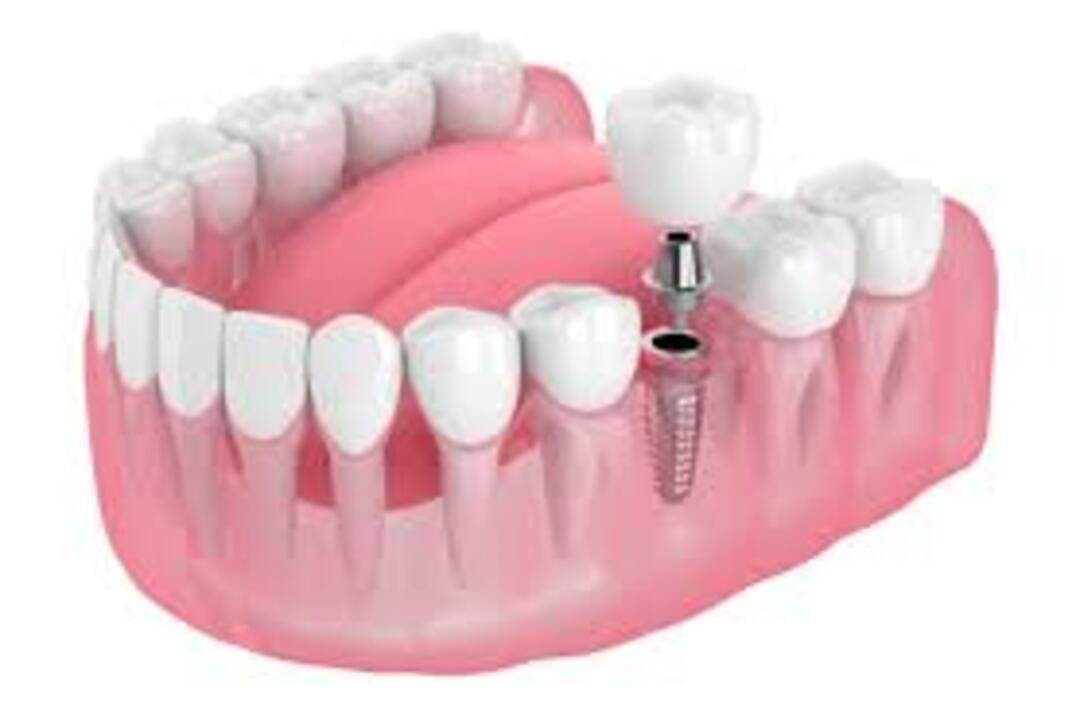
Modern dental implant technology is transforming the way oral healthcare providers restore missing teeth, offering new levels of precision, comfort, and aesthetics for patients. Understanding the latest advancements in this field can empower individuals to make more informed decisions about their treatment options. For those seeking the best dentist to guide them through these cutting-edge solutions, it is critical to stay updated on emerging trends shaping smiles for the future.
Today’s dental implants go far beyond simple tooth replacement. These innovations integrate advanced materials, minimally invasive procedures, and digital planning techniques to deliver natural-looking, highly functional results. As a result, patients can expect less discomfort, faster recovery, and outcomes that closely mimic the look and feel of natural teeth. Choosing a provider knowledgeable in these techniques can maximize both short- and long-term satisfaction.
3D Imaging and Digital Planning
Dental practices are increasingly incorporating 3D imaging and sophisticated digital planning into implantology. With cone beam computed tomography (CBCT) and advanced software, dental professionals can create detailed models of the oral anatomy. This enhances accuracy by allowing precise mapping of nerves, sinuses, and bone structure, reducing the likelihood of complications. Digital surgical guides generated from this data permit minimally invasive placements and more predictable results.
This approach means dentists can develop highly personalized treatment plans, offering patients interested in both safety and long-term function peace of mind. By visualizing the outcome before a single incision is made, patients and providers can align their expectations for the finished result.
Immediate Load Implants
“Teeth in a day” procedures, formally known as immediate load implants, represent a transformative advancement in dental implantology. Instead of the standard treatment timeline that requires healing before a crown can be placed, this method allows a temporary restoration to be affixed right after the implant is embedded. This is particularly valuable for front teeth, where aesthetics are urgent. Patients report increased satisfaction due to reduced treatment times and less inconvenience.
Minimally Invasive Techniques
Thanks to ongoing innovations, minimally invasive dental implant surgery has become more accessible. These procedures use small incisions and, often, digital navigation to minimize trauma to healthy tissue. As a result, patients benefit from decreased swelling, less discomfort, and significantly shorter recovery periods. This makes dental implants a more feasible option for those who may have previously been hesitant due to health concerns or fear of an extended downtime.
Biocompatible Materials
Material science has advanced substantially in recent years. Titanium remains the go-to choice for its durability and biocompatibility, but zirconia is gaining favor among those seeking a metal-free alternative. These materials minimize allergic reactions and enhance comfort, particularly for those with sensitivities. The latest innovations go even further, introducing nanotextured surfaces and bioactive coatings that encourage bone cells to bond rapidly and firmly, reducing healing time and improving implant integration.
Artificial Intelligence in Implantology
Artificial intelligence is reshaping many fields of medicine, including dental implantology. AI can analyze 3D scans and clinical data to detect patterns that may influence treatment. By helping dentists predict potential complications or choose the optimal implant size and placement, AI supports safer, more efficient outcomes. It also streamlines patient monitoring and enables early detection of issues before they escalate, enhancing the long-term performance of implants.
Laser Dentistry
Laser technology is becoming increasingly routine for a wide array of dental treatments, including implant site preparation and maintenance. By targeting only diseased or problematic tissues, lasers reduce bleeding and swelling, enhance patient comfort, and accelerate healing. Techniques like LANAP® for gum disease and laser treatments for peri-implant health mean patients are more likely to experience positive outcomes with less trauma. This makes follow-up care easier and more predictable for both patients and dentists.
3D Printing in Dentistry
3D printing has introduced a new era of customization and efficiency in the production of dental prosthetics. Dental labs and clinics can now craft individualized crowns, bridges, surgical guides, and even complete dentures with astonishing precision. This reduces wait times and ensures a precise fit, enhancing both function and aesthetics. Some clinics are exploring in-house 3D printing capabilities to further accelerate the process and offer same-day solutions for their patients. As material options expand, the range of what is possible with 3D printing in dentistry will only continue to grow.
Conclusion
The landscape of dental implantology is undergoing rapid and exciting change. With the ongoing integration of advanced imaging, minimally invasive techniques, biocompatible materials, and digital enhancements such as artificial intelligence and 3D printing, patients have more options than ever before for achieving healthy, natural-looking smiles. Staying informed about these innovative trends is the first step toward making empowered decisions for a lifetime of oral health.