

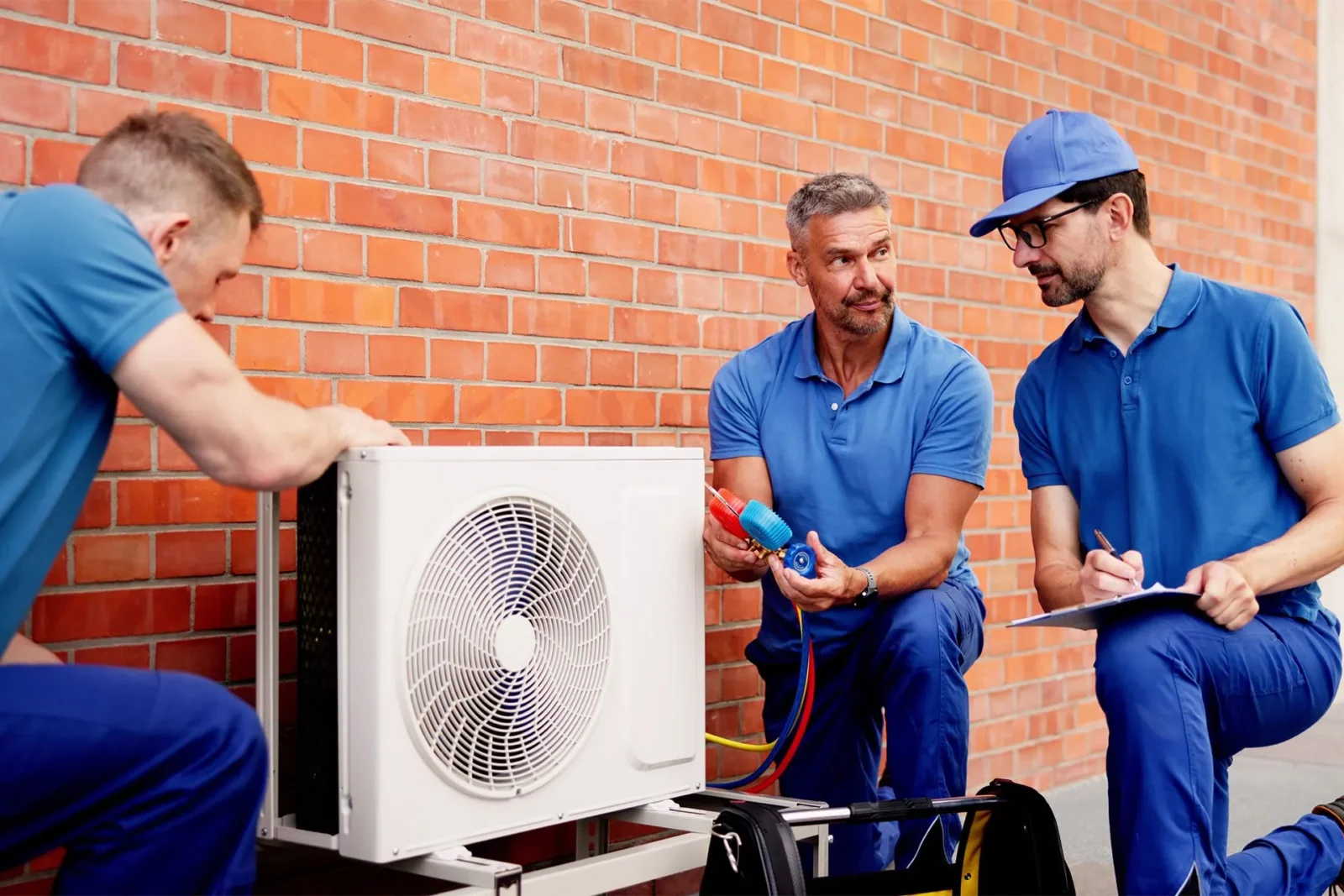
Homeowners often discover costly problems only after comfort fades or energy bills climb without clear cause. Everyday decisions about filters, thermostats, and outdoor units create hidden inefficiencies that compound over seasons. This article reveals frequent errors that shorten equipment life and raise operating expenses, along with the practical corrections experienced technicians apply so systems deliver steady performance and lower long-term costs.
Many property owners in growing communities rely on a trusted HVAC contractor Decatur, GA to catch installation and upkeep errors before they become expensive failures. These professionals examine airflow paths, electrical connections, and refrigerant charges with tools that reveal issues invisible to casual observation. Early detection keeps systems balanced and prevents the gradual decline that turns minor oversights into major repairs.
Improper equipment sizing ranks among the most expensive mistakes. A unit that is too large cools or heats rooms quickly, then shuts off, leaving humidity high and temperature uneven. An undersized system runs almost constantly, wearing parts faster and driving up power use. Accurate load calculations based on home size, insulation, and window orientation match capacity to actual demand.
Thermostat placement creates another silent problem. Mounting the control near a heat source, draft, or direct sunlight causes the system to respond to false readings. Rooms then overcool or overheat while energy is wasted. Professionals select locations that reflect true average conditions and program schedules that match occupancy patterns for better efficiency.
Homeowners seeking dependable results often schedule visits with an experienced HVAC contractor Decatur, GA who verifies duct sealing and insulation levels. Leaky ducts can lose twenty percent or more of conditioned air into attics or crawl spaces. Sealing joints and adding proper insulation restores the full volume of air to living areas and reduces the load on the blower motor.
Overlooked Filter and Coil Problems
Dirty filters restrict airflow and force the blower to work harder. Restricted air also allows coils to freeze or overheat, triggering safety shutoffs. Many owners change filters only when they look dark, yet pressure drops begin much earlier. Regular replacement on a calendar schedule maintains free airflow and protects the compressor from short-cycling damage.
Outdoor coils collect leaves, pollen, and dust that act like insulation. Heat transfer slows, so the refrigerant cannot reject or absorb energy efficiently. Longer run times follow, along with higher electricity use. Clearing debris and gently rinsing fins restores surface area and returns the unit to designed performance levels.
Installation and Refrigerant Errors
Incorrect refrigerant charge remains a frequent cause of poor efficiency. Too little charge reduces capacity while too much raises pressures and stresses the compressor. Accurate measurement with gauges and temperature sensors ensures the system operates within manufacturer specifications. Proper charging also prevents oil return problems that can damage internal components over time.
Ductwork design mistakes limit airflow to distant rooms. Undersized returns or sharp turns create resistance that starves the system. Balancing dampers and confirming static pressure readings allow every register to deliver the intended volume. Even temperature distribution improves comfort without raising the thermostat setting.
Thermostat and Control Missteps
Programmable thermostats offer savings only when schedules match real occupancy. Leaving the system at a single set point around the clock wastes energy during empty hours. Simple adjustments that raise or lower targets when the home is vacant produce measurable reductions in run time. Modern controls also learn patterns and adapt automatically.
Ignoring humidity control leaves spaces feeling sticky even at correct temperatures. Oversized systems often fail to run long enough to dehumidify. Properly sized equipment paired with accurate humidity sensing removes moisture effectively and allows higher thermostat settings without sacrificing comfort.
Real-World Scenarios and Prevention
A family noticed rooms farthest from the unit stayed warm in summer. Inspection revealed crushed flexible ducts in the attic that restricted supply air. Straightening and supporting the runs restored balanced flow and cut cooling costs within the first month. Similar hidden restrictions appear in many older homes after renovations or settling.
Another homeowner replaced filters irregularly and faced repeated freeze-ups. Establishing a fixed thirty-day change interval during peak seasons eliminated the icing and reduced emergency service calls. Consistent airflow also lowered the average daily runtime recorded on the outdoor unit’s hour meter.
- Confirm proper equipment sizing with a full load calculation before purchase
- Locate thermostats away from direct sunlight, drafts, and heat sources
- Replace filters on a set schedule rather than visual inspection alone
- Keep outdoor coils clear of vegetation and debris year-round
- Seal and insulate ducts to stop conditioned air losses
- Verify refrigerant charge with professional gauges after any service work
Electrical and Safety Oversights
Loose wiring connections generate heat and resistance that waste power. Vibration over years loosens terminals that once felt tight. Periodic tightening and inspection of contactors prevent arcing and protect control boards. Grounding and disconnects also receive attention so the system meets current electrical codes.
Overlooked condensate drains allow water to back up and damage ceilings or promote mold growth. Clearing the line and confirming proper slope stops overflow. Adding a safety switch that shuts the system off if water rises provides an extra layer of protection against hidden leaks.
Better Choices Ahead
Professional contractors stop common HVAC mistakes that drain energy and shorten equipment life. Accurate sizing, clean airflow paths, correct refrigerant levels, and sealed ducts restore designed efficiency and comfort. Homeowners who avoid these errors enjoy lower utility bills and fewer breakdowns. Applying the practical checks and schedules described here turns everyday attention into lasting savings and reliable performance through every season.
