

Key Takeaways
- Dental implants offer a durable and natural-looking solution for missing teeth.
- Advancements in technology have made implant procedures more accessible and efficient.
- Implants can significantly improve oral health, functionality, and self-confidence.
Table of Contents
- Introduction
- What Are Dental Implants?
- The Evolution of Dental Implants
- Benefits of Dental Implants
- The Dental Implant Procedure
- Candidacy for Dental Implants
- Maintaining Your Dental Implants
- Conclusion
Introduction
Missing teeth can affect much more than your appearance; they can also impact your ability to eat, speak, and maintain good oral health. The psychological effects can be just as significant, often leading to decreased self-esteem and social discomfort. With advancements in dental technology, finding the right restorative solution now means exploring options that are more comfortable and long-lasting than ever before. Turning to experienced Roseville CA dental implant specialists has become an increasingly popular choice for many individuals looking to restore both form and function to their smile.
The evolution of dental implants has truly transformed the landscape of restorative dentistry. No longer are patients limited to traditional bridges or removable dentures that can feel awkward or unattractive. Dental implants provide a secure, natural replacement that blends seamlessly with your other teeth, giving you the freedom to eat, speak, and smile with confidence. More people are choosing dental implants as a solution to tooth loss because of their positive impact on oral health and overall well-being.
One of the most appealing aspects of dental implants is their versatility. They can be used to replace a single tooth, several missing teeth, or even a full arch, depending on the patient’s needs. As innovations in dental materials and placement techniques continue to advance, implants have become suitable for a wider range of individuals than ever before. The high success rate and improved quality of life reported by patients have contributed to the growing popularity of this restorative option.
If you are considering dental implants as a tooth replacement treatment, you do not need to look far for guidance. Local specialists use a combination of cutting-edge digital planning, advanced imaging, and years of expertise to evaluate each patient’s unique dental circumstances. This ensures that every treatment plan is customized to achieve optimal results.
The evolution of dental implants has truly transformed the landscape of restorative dentistry. No longer are patients limited to traditional bridges or removable dentures that can feel awkward or unattractive. Dental implants provide a secure, natural replacement that blends seamlessly with your other teeth, giving you the freedom to eat, speak, and smile with confidence. More people are choosing dental implants as a solution to tooth loss because of their positive impact on oral health and overall well-being.
One of the most appealing aspects of dental implants is their versatility. They can be used to replace a single tooth, several missing teeth, or even a full arch, depending on the patient’s needs. As innovations in dental materials and placement techniques continue to advance, implants have become suitable for a wider range of individuals than ever before. The high success rate and improved quality of life reported by patients have contributed to the growing popularity of this restorative option.
If you are considering dental implants as a tooth replacement treatment, you do not need to look far for guidance. Local specialists use a combination of cutting-edge digital planning, advanced imaging, and years of expertise to evaluate each patient’s unique dental circumstances. This ensures that every treatment plan is customized to achieve optimal results.
What Are Dental Implants?
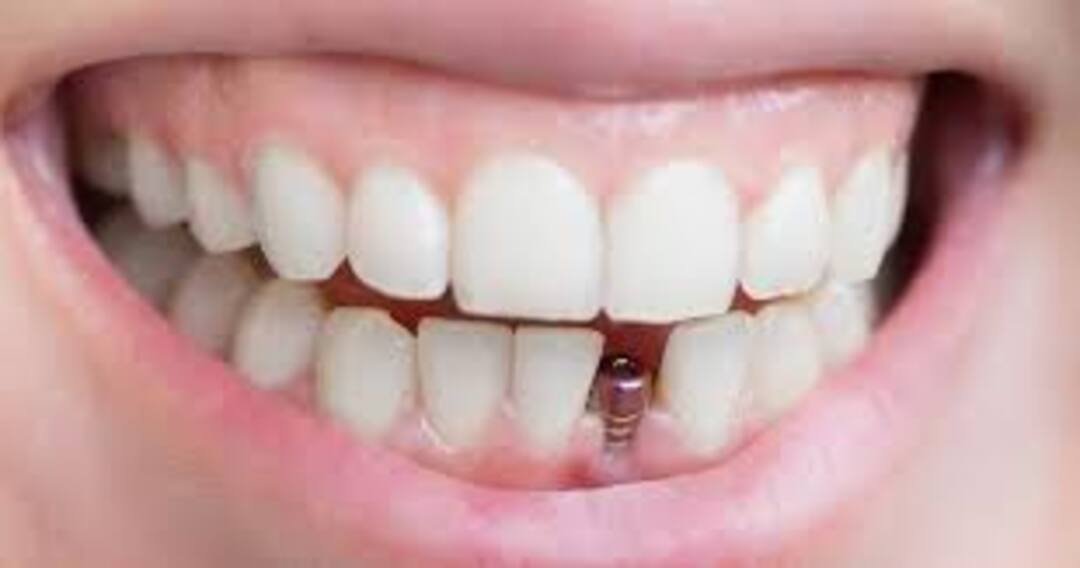
Dental implants are artificial tooth roots designed to support crowns, bridges, or dentures. Typically made from titanium or other biocompatible materials, these implants are surgically embedded into the jawbone. Over time, the bone and implant fuse, a process called osseointegration, creating a stable foundation for the replacement teeth. This fusion not only helps maintain the bone’s shape and density but also prevents the jawbone deterioration that often follows tooth loss. According to the Mayo Clinic, dental implants offer a reliable, long-term solution that mimics the look, feel, and function of natural teeth.
The Evolution of Dental Implants
The history of dental implants dates back thousands of years, but it wasn’t until the mid-twentieth century that predictable, modern titanium implants emerged. Technology has since advanced rapidly. Techniques such as the All-on-4® procedure enable dentists to restore a full arch of teeth using only four strategically placed implants, reducing time and surgical invasiveness. The integration of digital dentistry, including 3D imaging and computer-guided surgery, enhances accuracy and reduces patient discomfort. These technological improvements have also decreased healing time and increased overall implant success rates, making implants accessible to more people than ever before. The American Academy of Implant Dentistry highlights these advancements as core drivers of the field’s ongoing growth and improved patient satisfaction.
Benefits of Dental Implants
- Improved Appearance: Dental implants look, feel, and function like real teeth, restoring your natural smile and boosting self-confidence.
- Enhanced Speech: Unlike dentures, which may slip or shift, implants are securely anchored, allowing clearer speech and communication.
- Increased Comfort: With implants becoming a permanent part of your jawbone, many patients find them more comfortable than removable alternatives.
- Better Oral Health: Implants do not require grinding down adjacent teeth, thus preserving healthy natural structures and supporting long-term oral health.
- Durability: With proper oral hygiene and routine dental visits, implants can last decades or even a lifetime.
Beyond the aesthetic and functional improvements, implants help maintain jawbone strength and support facial structures, minimizing bone loss after tooth loss. This is a significant advantage over traditional bridges and dentures.
The Dental Implant Procedure
- Initial Consultation: The process begins with a comprehensive evaluation, including dental imaging and health assessments. Your dentist will develop a customized treatment plan based on your specific needs and oral health condition.
- Implant Placement: A small titanium post, the dental implant, is placed in the jawbone during a minor surgical procedure. Local anesthesia is typically used, and sedation options may be available for added comfort.
- Healing Period: After placement, a several-week healing period is required for the implant to integrate with the jawbone. This stage, known as osseointegration, is critical to ensure stability and long-term success.
- Abutment Placement: Once the implant is securely fused, an abutment or connector is attached. This serves as the attachment point for your new artificial tooth or teeth.
- Restoration: Finally, the restoration phase involves fitting a custom crown, bridge, or denture to the abutment. These restorations are designed to blend seamlessly with your natural teeth in shape, size, and color.
Candidacy for Dental Implants
While dental implants are suitable for most healthy adults, a few factors can influence candidacy. Adequate jawbone density is essential because implants require solid support. Individuals with significant bone loss may benefit from bone grafting procedures before implant surgery. Healthy gums are equally important to avoid complications such as infection or implant failure. Systemic health conditions, such as uncontrolled diabetes or immune disorders, may delay healing and require careful management. A skilled implant specialist will thoroughly assess your health, habits, and medical history to determine your eligibility for dental implants.
Maintaining Your Dental Implants
Long-term success with dental implants depends on practicing good oral hygiene and regular dental visits. Patients should brush and floss daily, focusing on cleaning around the implant site to prevent plaque buildup. Avoiding hard or sticky foods can help prevent damage to your implant restoration. Routine dental check-ups and professional cleanings are vital for monitoring your oral health and detecting early signs of complications. For more information on keeping your implants healthy, trusted resources like Healthline offer detailed dental hygiene tips tailored for implant patients.
Conclusion
Dental implants have revolutionized tooth replacement, transforming the health, look, and confidence of countless patients. With advanced techniques and skilled practitioners, modern implants deliver exceptional results that last. By seeking out experienced dental implant specialists and practicing diligent oral hygiene, you can enjoy a complete, healthy smile for many years to come.