

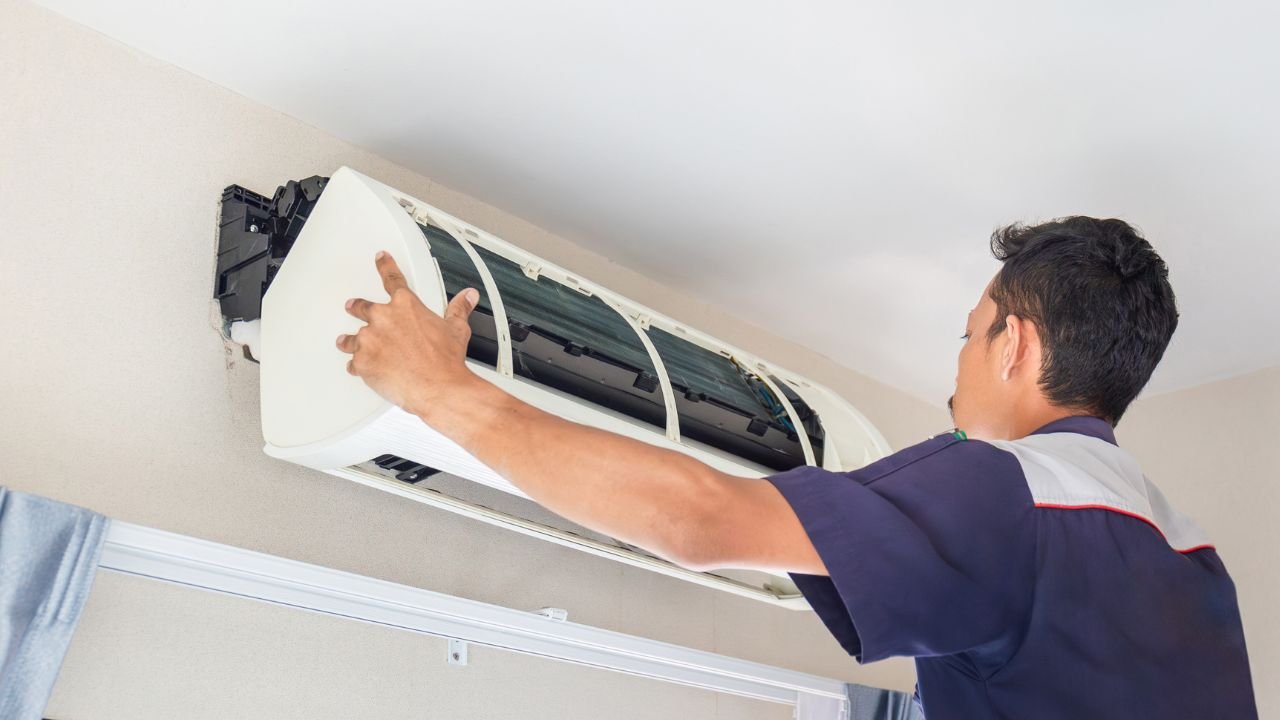
A properly working air conditioner is key to keeping your home comfortable, particularly in warmer weather. When it fails to cool effectively, what starts as a small issue can quickly become a major frustration. In many situations, the cause is relatively straightforward but still needs prompt attention. If your system is underperforming, arranging professional air conditioning repair early can help prevent further damage and improve efficiency.
Having a clear understanding of what might be affecting your system allows you to respond quickly and make better decisions. Whether the issue is due to routine maintenance or a more complex fault, dealing with it early can help you avoid unnecessary costs and inconvenience.
Common Reasons Your AC Isn’t Cooling Properly
Air conditioning systems rely on several components working together. When one part fails, the entire system can suffer. Below are some of the most common causes of reduced cooling performance.
Dirty or Clogged Air Filters
Air filters play a vital role in maintaining airflow. When they become clogged with dust and debris, airflow is restricted, making it harder for your system to cool your home effectively. This not only reduces comfort but also forces the system to work harder, increasing energy consumption.
Low Refrigerant Levels
Refrigerant is essential for cooling. If your system has a leak or insufficient refrigerant, it cannot absorb and release heat efficiently. This often results in warm air blowing from vents or uneven cooling throughout your home.
Thermostat Issues
Sometimes, the issue lies not with the AC unit itself but with the thermostat. Incorrect settings, faulty wiring, or outdated devices can lead to inaccurate temperature readings and poor system performance.
Dirty Condenser Coils
The outdoor unit contains condenser coils that release heat. When these coils are covered in dirt or debris, heat transfer becomes less efficient. As a result, your system struggles to cool the indoor air effectively.
Electrical or Mechanical Faults
Over time, components such as capacitors, motors, or wiring can wear out. These issues may cause the system to run inefficiently or stop working altogether.
Signs That Indicate a Problem
Recognising early warning signs can help you address issues before they escalate. If you notice any of the following, it may be time to consider air conditioning repair:
- Weak or inconsistent airflow
- Warm air coming from vents
- Unusual noises such as rattling or buzzing
- Higher-than-normal energy bills
- Frequent system cycling
These symptoms often indicate underlying problems that require attention.
Quick Fixes You Can Try at Home
Before calling a professional, there are a few simple steps you can take to troubleshoot the issue.
Check and Replace the Air Filter
A clogged filter is one of the easiest problems to fix. Replacing it can instantly improve airflow and cooling performance.
Inspect the Thermostat Settings
Ensure your thermostat is set to the correct mode and temperature. If it uses batteries, check whether they need replacing.
Clear Debris Around the Outdoor Unit
Leaves, dirt, and other debris can block airflow around the condenser unit. Clearing the area can improve efficiency.
Reset the System
Sometimes, a simple reset can resolve minor electrical issues. Turn off the system, wait a few minutes, and restart it.
While these steps can help, they may not solve deeper issues. Persistent problems usually require expert attention.
When to Call a Professional
If your AC continues to underperform despite basic troubleshooting, it is best to seek professional help. Technicians have the tools and expertise to diagnose issues accurately and perform effective air conditioning repair.
Professional service is particularly important in cases involving refrigerant leaks, electrical faults, or major component failures. Attempting to fix these problems without proper knowledge can lead to further damage or safety risks.
Preventing Future Cooling Problems
Regular maintenance is key to keeping your air conditioning system running efficiently. Preventive care not only extends the lifespan of your unit but also reduces the likelihood of unexpected breakdowns.
Essential Maintenance Tips
- Schedule annual servicing to inspect and clean system components
- Replace air filters regularly, typically every 1–3 months
- Keep the outdoor unit clean and free from obstructions
- Check for unusual noises or performance changes
- Ensure proper insulation and sealing in your home
By following these practices, you can maintain consistent cooling and avoid costly repairs.
The Importance of Timely Repairs
Delaying repairs can worsen the problem and lead to higher expenses. A small issue, such as a clogged filter or minor leak, can escalate into a major system failure if ignored.
Timely intervention ensures that your system operates efficiently, reduces energy consumption, and maintains indoor comfort. It also helps avoid unexpected breakdowns during peak usage periods.
Conclusion
An air conditioner that isn’t cooling properly can disrupt your comfort and increase energy costs. However, most issues stem from common and manageable causes, such as dirty filters, low refrigerant levels, or thermostat problems. By identifying these issues early and taking appropriate action, you can restore your system’s performance quickly.
Simple troubleshooting steps can often resolve minor problems, but persistent issues should always be handled by professionals. Regular maintenance and timely repairs are essential for keeping your system efficient and reliable. With the right approach, you can ensure your air conditioning system continues to deliver consistent and effective cooling.
