

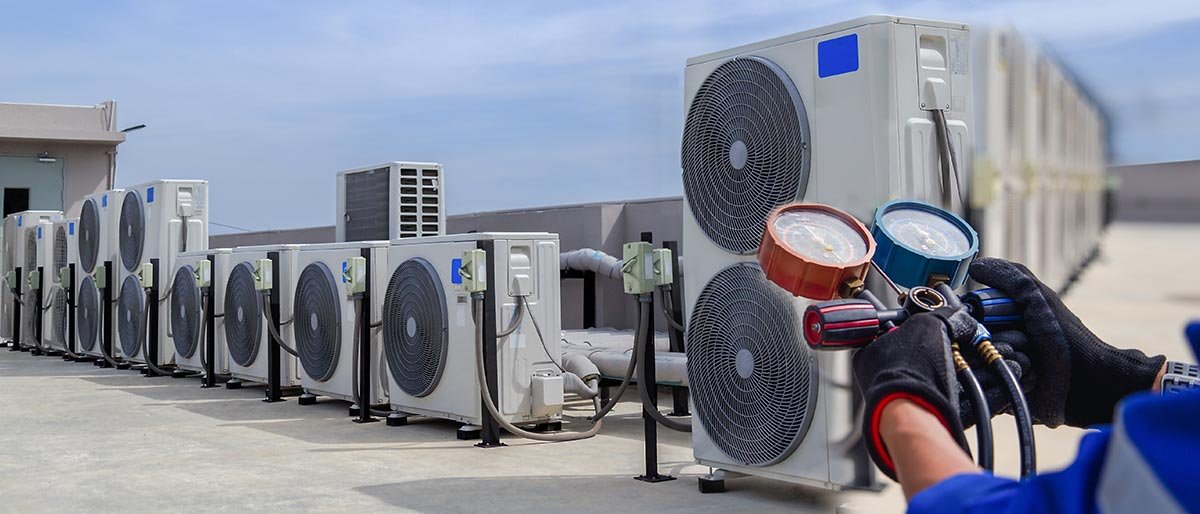
Heating and cooling systems work hard throughout the year to maintain comfortable indoor temperatures, healthy airflow, and balanced humidity levels. Without regular maintenance, HVAC equipment can gradually lose efficiency and develop hidden mechanical problems that lead to costly breakdowns. Preventive service helps homeowners identify small issues early, improve energy performance, and extend the lifespan of important heating and cooling components before serious failures occur.
Many homeowners rely on experienced AC repair experts to inspect and maintain their systems before seasonal demand increases. Routine maintenance visits help identify worn parts, airflow restrictions, refrigerant issues, and electrical concerns that may otherwise remain unnoticed. Addressing these problems early reduces the likelihood of emergency repairs while helping homeowners maintain lower utility costs, better indoor air quality, and consistent year-round comfort.
Why HVAC Systems Break Down Over Time
Every HVAC system experiences wear during normal operation. Motors, compressors, fans, filters, and electrical components gradually decline with age and continuous use.
Common Causes of HVAC Failure
Dirty filters, clogged coils, low refrigerant levels, blocked airflow, and neglected maintenance often force systems to work harder than necessary. Increased strain may eventually damage internal components, causing sudden breakdowns during extreme weather when heating and cooling systems are needed most.
Preventive maintenance helps reduce unnecessary stress while improving overall system reliability and operational efficiency.
Regular Maintenance Improves Energy Efficiency
An HVAC system operating at peak performance uses less energy to heat and cool a home. Poor maintenance can reduce efficiency and increase monthly utility expenses significantly.
How Maintenance Supports Lower Energy Bills
Clean coils, unrestricted airflow, calibrated thermostats, and properly lubricated components allow systems to run more efficiently. Even small issues like dirty filters or blocked vents can increase energy consumption while reducing indoor comfort.
Homeowners who schedule regular service with qualified AC repair experts often notice more stable temperatures and lower energy bills throughout the year. Professional inspections help ensure that heating and cooling systems operate efficiently without overworking critical components that could fail unexpectedly during high-demand seasons.
Preventive Care Helps Extend HVAC Lifespan
Replacing a heating or cooling system is a major financial investment. Preventive maintenance can help maximize the lifespan of existing equipment while delaying expensive replacement costs.
Why System Longevity Matters
HVAC systems that receive regular inspections and cleaning often last several years longer than neglected equipment. Proper maintenance reduces wear on compressors, blower motors, and electrical parts while helping systems maintain reliable airflow and temperature control.
Important HVAC Maintenance Tasks Include:
- Replacing air filters regularly
- Cleaning evaporator and condenser coils
- Inspecting refrigerant levels
- Testing thermostat accuracy
- Tightening electrical connections
- Checking airflow and ductwork
Routine care protects both comfort and equipment performance.
Small HVAC Problems Can Escalate Quickly
Minor HVAC issues rarely improve without professional attention. Small mechanical concerns can gradually develop into expensive system failures if ignored for too long.
Examples of Early Warning Signs
Unusual noises, weak airflow, rising utility bills, uneven temperatures, and short cycling often indicate developing problems inside the system. Addressing these symptoms early may prevent compressor failure, motor burnout, or electrical damage.
Preventive inspections allow technicians to detect warning signs before major repairs become necessary.
Indoor Air Quality Depends on HVAC Performance
Heating and cooling systems influence more than temperature. HVAC equipment also affects airflow, humidity levels, and indoor air cleanliness throughout the home.
How Maintenance Supports Healthier Air
Dirty filters and neglected ductwork may circulate dust, allergens, mold spores, and other airborne contaminants. Poor airflow can also increase humidity levels, creating conditions that encourage mold growth.
Benefits of Preventive HVAC Service:
- Cleaner indoor air
- Better humidity control
- Reduced allergen circulation
- Improved airflow consistency
- More comfortable indoor temperatures
- Lower risk of mold growth
Routine maintenance supports healthier living conditions for homeowners and families.
Seasonal Inspections Reduce Emergency Repairs
Heating and cooling systems often fail during periods of extreme weather because they operate under greater stress. Seasonal inspections help prepare equipment for increased demand before temperatures become severe.
Why Timing Matters
Spring air conditioning inspections and fall furnace tune-ups allow technicians to identify weaknesses before peak heating or cooling seasons begin. Early service appointments also help homeowners avoid emergency repair delays during busy periods.
Seasonal maintenance improves reliability while reducing the risk of inconvenient system failures during the hottest or coldest days of the year.
HVAC Maintenance Supports Better Home Comfort
Consistent temperatures and proper airflow are essential for maintaining indoor comfort. Neglected systems may struggle to cool or heat rooms evenly, leaving some areas uncomfortable.
Comfort Problems Linked to Poor Maintenance
Blocked vents, dirty coils, failing blowers, and thermostat problems can all affect system performance. Preventive maintenance helps maintain balanced airflow and stable indoor temperatures throughout the home.
Common Signs Your HVAC System Needs Attention:
- Hot or cold spots in rooms
- Weak airflow from vents
- Unusual odors during operation
- Increased indoor humidity
- Frequent cycling
- Higher monthly utility bills
Addressing these concerns early helps preserve comfort and efficiency.
Preventive Service Can Lower Long-Term Costs
Many homeowners delay maintenance to save money, but neglect often increases repair expenses over time. Preventive care is usually far less expensive than emergency system replacement or major component repairs.
Financial Benefits of Routine Maintenance
Well-maintained systems operate more efficiently, experience fewer breakdowns, and typically require fewer major repairs. Reduced energy consumption also contributes to long-term household savings.
Professional HVAC maintenance plans can provide predictable service schedules while helping homeowners avoid costly surprises later.
End Note
Preventive HVAC maintenance plays a critical role in avoiding expensive breakdowns, improving energy efficiency, and protecting long-term home comfort. Regular inspections, filter changes, airflow checks, and seasonal tune-ups help identify small problems before they become major system failures. Preventative care also supports healthier indoor air quality, lower utility bills, and longer equipment lifespan. By working with trusted HVAC professionals and prioritizing routine maintenance, homeowners can reduce repair costs, improve system reliability, and enjoy consistent indoor comfort throughout every season of the year.
