

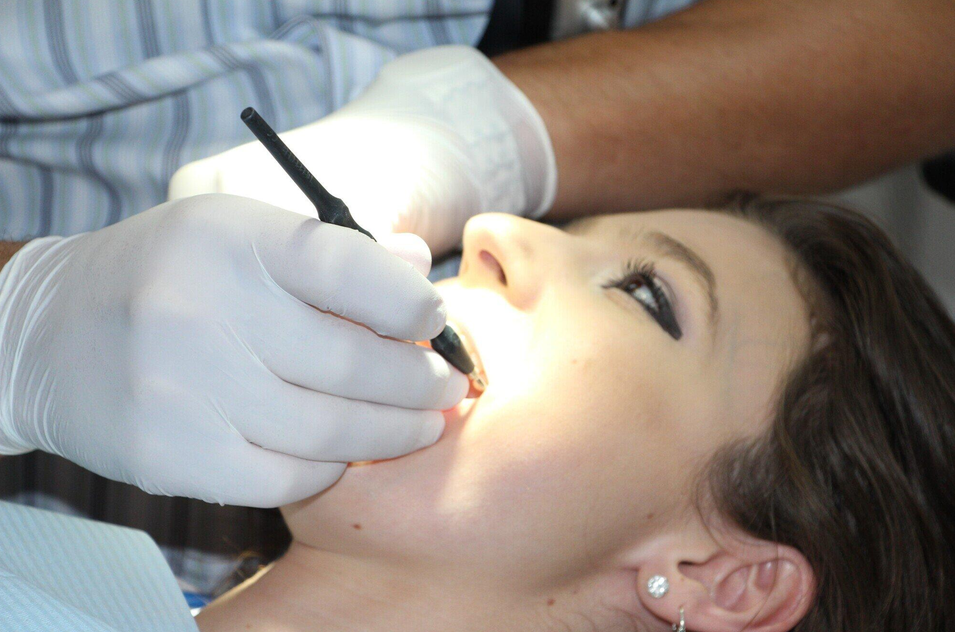
A severe toothache can force you to choose between saving a natural tooth or having it removed. Dentists look at several factors before making this decision. They check the damage, signs of infection, and the strength of the tooth.
Understanding these factors can help you feel more confident about your treatment plan. Continue reading to discover everything you need to know!
Why Saving Natural Teeth Comes First
Dentists usually try to save natural teeth whenever possible. Your natural roots help keep the jawbone strong when you chew. They also help prevent nearby teeth from shifting out of place.
More than 15 million root canal treatments take place each year in the United States. This treatment helps patients keep their natural teeth and avoid the problems linked to tooth loss.
Modern tools allow dentists to remove infected pulp and clean the inside of the tooth. They then place a crown to protect the remaining structure.
When Removal Becomes the Better Option
Some teeth have too much damage to repair. Deep cracks that reach below the gumline can let bacteria enter the tooth again. In these cases, a root canal may not provide lasting results.
Dentists evaluate these severe cases carefully, knowing that removals are quick when a tooth cannot be salvaged. Removing the tooth can stop an active infection from spreading. It also allows the area to heal before a dentist places an implant or bridge.
Comparing Treatment and Recovery
Both treatments use local anesthesia to reduce pain during the procedure. However, recovery depends on the type of treatment and the amount of damage.
After a root canal, the tooth stays in its socket. Mild soreness often fades within a few days. One review found that pain levels dropped after treatment. Before the procedure, 81% of patients reported pain, and this fell to 40% the next day and 11% after one week.
An extraction takes longer to heal in some cases. A blood clot must form in the empty socket.
Initial gum healing often takes one to two weeks. Surgical removal of broken or impacted teeth may also involve cuts in the gum and removal of some bone.
Long-Term Success and Costs
A tooth extraction may cost less at first than a root canal and crown. However, leaving the gap untreated can cause nearby teeth to shift and affect your bite.
Replacing a missing tooth with an implant or bridge adds to the total cost. A 2023 review found that root canal treatments had survival rates of 82% to 95% over two to ten years.
What Dentists Check Before Making a Decision
Your dentist reviews your X-rays, medical history, and overall oral health. They check how much healthy tooth remains and whether the gums and bone can support a repair.
Some medicines and health conditions can affect healing after surgery. Blood thinners and certain bone-strengthening drugs may also change the risks of extraction.
Making the Final Decision
Saving a tooth first can keep your natural bite and leave extraction as a backup option. A tooth treated with a root canal can still be removed later if it breaks or develops another infection.
Ask your dentist to explain the X-rays and show you the condition of the roots and nearby bone. This helps you compare the risks, costs, and recovery time of both treatments. Together, you can choose the option that gives your smile the best chance of staying healthy.
Make sure to check out the rest of our articles.